
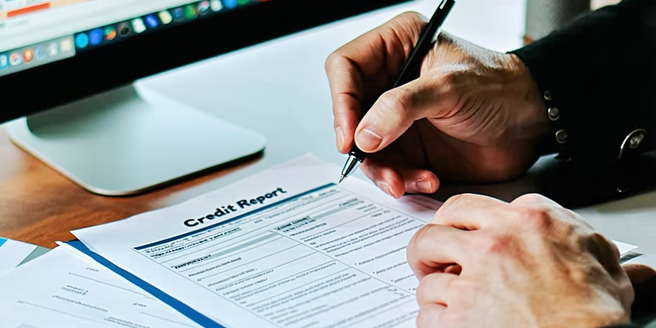
Understanding Credit Reports and Their Importance
Credit reports are a critical component of financial health, as they reflect your credit behavior and history. Understanding these reports means recognizing how your credit history is recorded at the three major credit bureaus: Equifax, Experian, and TransUnion. Each bureau may have slightly different data depending on the lenders or creditors they interact with. Credit reports include information on your credit accounts, outstanding balances, payment history, and public records such as bankruptcies. A good credit report can enhance your ability to secure loans with favorable terms. Conversely, negative marks can hinder financial opportunities. It is vital to regularly check your credit report to ensure accuracy and to understand what potential creditors might see. Regular monitoring can also alert you to signs of identity theft or fraud, allowing you to take prompt action.
How to Obtain Your Annual Free Credit Report
Every consumer is entitled to one free credit report annually from each of the three credit bureaus—Equifax, Experian, and TransUnion—through the website AnnualCreditReport.com. To obtain your report, you need to provide personal information such as your name, address, Social Security number, and date of birth. Additionally, you may be asked to answer questions related to your personal credit history to verify your identity. Once verified, you can choose to receive your report from one or all of the bureaus immediately online or via mail if you prefer a hard copy. Reviewing your credit report provides an opportunity to ensure all information is accurate and complete. Obtaining and reviewing this free report annually is a proactive measure to maintain your financial health and protects against inaccuracies or fraud.
What to Look for When Reviewing Your Credit Report
When examining your credit report, it is essential to scrutinize all sections carefully. Look for any errors in your personal information, such as inaccurate names or addresses. Ensure that all listed accounts belong to you and note any late payments that might be mistakenly reported. Pay close attention to the status of your accounts, such as those that are closed or have been sent to collections. It is also important to verify inquiries, ensuring the inquiries listed are ones you initiated. Investigate any unfamiliar public records, like judgments or bankruptcies. Correcting inaccuracies promptly can improve your credit score and prevent long-term implications. Alert the credit bureau if you find inaccuracies, providing documented proof to support your claims. Following through will ensure the necessary corrections are made.
Common Mistakes and How to Correct Them
Mistakes on credit reports are not uncommon, and they can negatively impact your credit score. One frequent mistake is the listing of a closed account as open, which can affect your credit utilization ratio. Another common error is incorrect account balances due to delayed updates. Accounts that don’t belong to you can also appear on your report, indicating possible identity theft. To correct these mistakes, begin by filing a dispute with the credit bureau reporting the error. Provide any necessary documentation that supports your claim, such as account statements or identification. The bureau typically investigates and responds within 30 days. Adjustments made to inaccuracies will be reflected in your report, often resulting in an improved credit score. Consistent monitoring and timely dispute resolutions are key to maintaining an accurate report.
Protecting Your Credit: Tips and Best Practices
To protect your credit, start by consistently monitoring your credit report. Promptly report any unauthorized transactions or inaccuracies. Utilize tools such as credit alert services, which notify you of significant changes to your credit report. Settle bills on time to avoid negative marks, and strive to keep your credit utilization ratio below 30%. Consider maintenance of a diverse credit mix with a history of responsible management. Be wary when sharing personal information, especially online, to protect against identity theft. Enabling multifactor authentication on financial accounts adds an extra layer of security. If you suspect your identity is compromised, place a fraud alert on your credit report and consider freezing it temporarily. Proactivity and awareness are significant in mitigating risks to your credit.
How Regular Checks Can Boost Your Financial Health
Regular checks of your credit report are proactive steps toward financial security. By routinely analyzing your report, you can identify inaccuracies, such as incorrect account statuses or unauthorized inquiries, and rectify them promptly to maintain a healthy credit score. Regular review helps you monitor your credit utilization ratio and payment history, offering insights into financial habits that may require adjustment. Being aware of the contents in your credit report can also shield you from fraud by quickly identifying unauthorized transactions or accounts. These checks serve as a reminder to settle outstanding debts and manage your credit responsibly, contributing positively to your creditworthiness. Overall, regular credit report evaluations lead to better financial decision-making, enabling improved access to credit facilities when needed.
