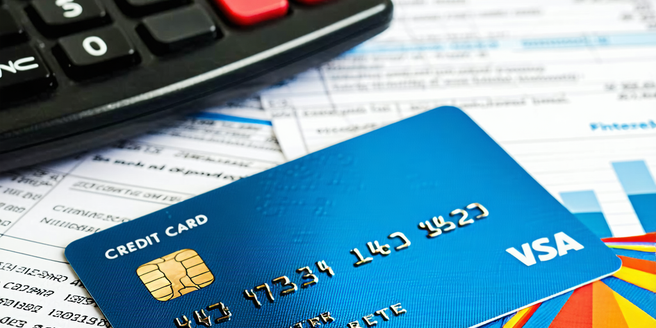
Understanding High-Interest Rates
| Term | Definition | Example |
| APR | Annual Percentage Rate | 20% APR on Credit Card |
| Compound Interest | Interest on both principal and accrued interest | Daily compounding |
| Variable Rate | Interest rate that changes | Prime rate correlated |
| Fixed Rate | Unchanging interest rate | Fixed APR at 12% |
| Penalty Rate | Higher rate due to missed payments | 29.99% penalty APR |
| Introductory Rate | Temporary low rate | 0% for 12 months |
How High-Interest Rates Affect
High-interest rates on credit cards can significantly impact your financial health. When you hold a balance on a card with a high interest rate, more of your monthly payment goes toward paying interest rather than reducing the principal amount owed. This can lead to a cycle of debt where the balance seems to decrease very slowly, despite regular payments. Moreover, it’s essential to compare credit card offers to find the best interest rate. Additionally, minimum payments can keep you in debt for a long time, accruing more interest and leading to higher overall payments. High-interest rates can limit your financial flexibility, affecting your ability to save or meet other financial goals. Understanding how interest works is crucial in planning your credit card strategy.
Common Features of High-Interest
High-interest credit cards often come with features that may seem appealing at first but can lead to financial pitfalls if not managed carefully. These cards typically offer higher credit limits, which can encourage overspending. Additionally, it’s essential to understand the potential long-term impact on your financial health. They may also provide tempting rewards programs and cashback offers, enticing users to increase their spending. However, the high-interest rates mean that if the balance isn’t paid off in full each month, the interest charge can quickly outweigh the benefits. Furthermore, these cards often have high penalty rates if you miss payments, making them even more costly. Always review the terms and conditions carefully before committing to a high-interest card.
Risks Associated with High-Interest
High-interest credit cards can pose significant risks to your financial stability. The most immediate risk is the accumulation of debt if payments are not made in full, as the high interest rates can lead to escalating balances. Late payments can trigger penalty rates and diminish your credit score, further hindering your ability to access favorable credit terms in the future. Additionally, high interest charges may lead to financial strain, limiting your budget for essential expenses and savings. Moreover, being aware of alternative credit options with lower interest rates can provide a safer financial strategy. It’s important to assess your ability to pay off monthly balances before opting for a high-interest credit card, as well as to monitor your spending habits closely.
Strategies to Manage High-Interest
Effectively managing high-interest credit card debt requires a strategic approach. One effective strategy is to prioritize paying off cards with the highest interest rates first, which can minimize the overall interest paid over time. Setting up automatic payments can ensure timely payments and avoid late fees. It’s also wise to regularly review your credit card statements to identify any erroneous charges. Consider consolidating multiple high-interest debts with a lower-rate personal loan. Additionally, educating yourself on financial literacy can empower you to make more informed decisions about debt management. Creating a strict budget to reduce unnecessary expenditure is crucial, allowing you to allocate more funds toward debt repayment. Finally, negotiate with your credit card issuer for a lower interest rate, as they may offer reduced rates to retain customers.
Alternatives to High-Interest
For those looking to avoid the pitfalls of high-interest credit cards, several alternatives exist. Secured credit cards are an option, requiring a cash deposit which sets your credit limit but typically offers lower interest rates compared to unsecured high-interest cards. Exploring these alternatives can lead to better financial management and peace of mind. It’s important to research each option thoroughly to find the best fit for your financial needs. Credit card consolidation loans can also be a viable alternative, offering fixed monthly payments and potentially lower overall interest costs. Additionally, consider using a debit card for purchases to avoid interest charges altogether. Another option is to utilize a personal line of credit, which may have more favorable interest rates and terms than traditional credit cards.
Tips to Lower Your Credit Card
Lowering your credit card interest rate can result in significant savings. Start by improving your credit score, as higher scores often qualify for better rates. Don’t hesitate to contact your credit card issuer to request an interest rate reduction; many are willing to accommodate long-term, reliable customers. Additionally, conducting research on interest rates offered by other credit card companies can provide leverage in your negotiation. Consider transferring your balance to a card offering a low or 0% introductory rate, but be mindful of transfer fees and the promotional rate’s expiration. Reducing your debt-to-income ratio and maintaining a positive payment history can also strengthen your case when negotiating for a lower interest rate.
Using Balance Transfers to Reduce
Balance transfers can be an effective way to reduce high-interest costs by moving existing credit card debt to a new card with a lower interest rate. Many cards offer promotional 0% APR on balance transfers for a specified period, allowing you to pay down the principal without accruing additional interest. It’s important to carefully read the terms and conditions of the new credit card to ensure you understand all fees and timelines involved. This strategy can save money and accelerate debt repayment, but it’s essential to calculate the transfer fees against the interest saved. Additionally, it’s crucial to avoid racking up new debt on the old cards. Be diligent in paying off the transfer balance before the promotional period ends to maximize savings.
How to Avoid Predatory High-Interest
To avoid predatory high-interest credit cards, it’s essential to conduct thorough research before applying. Watch for cards with exorbitantly high interest rates and fees, and always read the fine print of any credit card offer. Compare rates and terms from multiple issuers and look for user reviews or consumer reports that highlight any unethical practices. It is also beneficial to consult financial advisors who can offer professional insights into the best credit card choices. Be cautious of introductory offers that seem too good to be true, as they might mask underlying disadvantages. Building a solid credit history and maintaining a good credit score can provide access to more favorable credit card options, reducing the risk of falling into predatory traps.
The Role of Credit Scores in
Your credit score plays a crucial role in determining the interest rates offered on credit cards. Higher credit scores generally indicate lower risk to lenders, resulting in better interest rate offers. Conversely, low credit scores may limit your options to high-interest credit cards. To improve your credit score, focus on timely payments, reducing credit utilization, and managing various types of credit responsibly. Consulting a financial advisor can provide personalized strategies to enhance your credit profile. Developing good financial habits can be a game-changer in improving your overall credit health. Regularly checking your credit report for errors can also prevent score depressions. By understanding and improving your credit score, you can access more competitive credit terms and avoid the high costs associated with high-interest rates.