
Understanding Credit Scores
A credit score is a numerical representation of a person’s creditworthiness, primarily based on their credit history. Financial institutions use this score to evaluate the potential risk posed by lending money to consumers. Lenders, such as banks and credit card companies, use credit scores to determine who qualifies for a loan, at what interest rate, and what credit limits are set. A higher score indicates a lower risk to lenders, making it easier for an individual to obtain credit at favorable terms. Understanding how credit scores work is crucial for anyone seeking to manage their financial health. Key factors that influence your credit score include your payment history, amounts owed, length of credit history, new credit, and credit mix. Being conscious of these aspects can help maintain or improve your credit score over time.
How Credit Scores Are Calculated
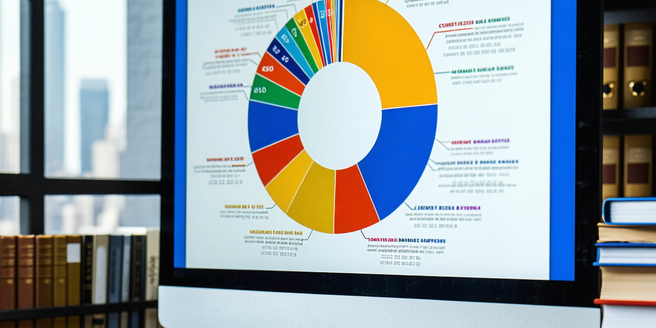
Credit scores are calculated based on several components of your credit history provided by credit bureaus. The most widely used credit scoring model in the U.S. is the FICO score, which ranges from 300 to 850. Payment history, accounting for 35% of the score, is the most significant factor, highlighting the importance of paying bills on time. The second component is credit utilization, making up 30% of your score, which reflects the ratio of your credit card balances to your credit limits. The length of credit history accounts for 15% and assesses how long your credit accounts have been active. New credit and credit mix, contributing 10% each, consider recent inquiries and the variety of credit types you use, respectively. By understanding these components, consumers can strategically manage their credit behavior.
The Impact of Credit Scores on Loans
Credit scores significantly influence loan terms. A high credit score can afford you lower interest rates on loans, as lenders view you as a less risky borrower. For instance, when applying for a mortgage, a borrower with an excellent credit score might secure an interest rate that is several percentage points lower than someone with poor credit. This difference can result in thousands of dollars saved over the life of a loan. Additionally, credit scores can affect your ability to rent an apartment or even impact your insurance premiums. Conversely, a low score might lead lenders to charge higher rates as insurance against default risk, or outright deny loan applications. Consequently, maintaining a healthy credit score is crucial for accessing credit facilities and favorable financial opportunities.
Ways to Improve Your Credit Score
Improving your credit score takes time and commitment, but it is achievable. One of the most effective ways is ensuring all bills are paid on time since payment history affects 35% of your credit score. Setting up automatic payments or reminders can help in maintaining this consistency. Reducing your debt levels is another crucial step, which involves paying down credit card balances to decrease your credit utilization rate, ideally below 30%. Keep old credit accounts open to preserve the length of your credit history. Diversifying your credit types, such as combining installment loans and revolving credit, can also be beneficial. Moreover, limit new credit inquiries to avoid impacting your score negatively. Regularly reviewing your credit report for inaccuracies and disputing any errors can further help stabilize and boost your score.
Common Myths About Credit Scores
Many misconceptions surround credit scores, often leading to confusion and financial missteps. One prevalent myth is that checking your credit report harms your score; however, a self-check is considered a soft inquiry and does not affect your score. Another myth suggests a higher income improves your credit score—while income does not directly impact the score, your ability to manage credit effectively holds more weight. Some believe that carrying a balance on their credit cards aids in boosting scores, but it’s more effective to pay off balances each month. Additionally, closing old credit accounts might seem beneficial, yet it can decrease your score by shortening your credit history. Discerning fact from fiction is essential for debunking these myths and adopting practices that genuinely contribute to credit score improvement.
Monitoring and Protecting Your Credit
Proactive credit monitoring and protection are crucial in today’s digital economy. Regular monitoring allows you to track your credit score’s fluctuations and spot any discrepancies or signs of identity theft early. You can access free annual credit reports from each of the three major credit bureaus—Equifax, Experian, and TransUnion—to stay informed. Enlisting credit monitoring services can provide real-time alerts for new inquiries or changes in your credit report. Protecting your credit involves safeguarding personal information against identity theft; this includes using strong, unique passwords, being wary of phishing scams, and regularly reviewing bank and credit card statements for unauthorized transactions. In cases of suspected fraud, freezing your credit can be an effective measure to prevent further damage while disputes are resolved. Taking these steps aids in securing your financial wellbeing.
