Understanding Payment History in Credit Scoring Systems
| Factor | Description | Impact |
| Payment Timeliness | On-time payments boost your credit score. | High |
| Payment Consistency | Regular payments demonstrate stability. | Moderate |
| Account Diversity | Managing different types of accounts efficiently. | Moderate |
| Debt Utilization | Keeping credit card balances low. | Moderate |
| Historical Length | Longer credit history is beneficial. | Low |
| Recent Activity | Recent credit applications affect scores. | Variable |
How Payment History Impacts Your Credit Score
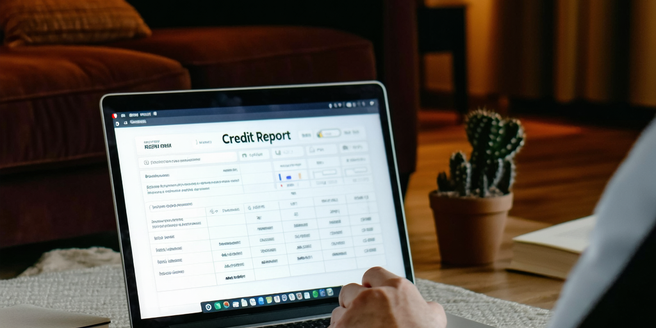
Your payment history is vital for determining your creditworthiness, accounting for a significant portion of your credit score. Each on-time payment demonstrates financial responsibility, which positively affects your credit rating. Conversely, late payments or defaults can significantly lower your score, portraying you as a high-risk borrower. To avoid such pitfalls, consider setting up automatic payments or reminders to ensure consistent on-time payments. It is essential to regularly monitor your credit reports to ensure accuracy and to catch any discrepancies early. Lenders assess your payment history before approving credit applications, as it reflects your likelihood to repay debts. Consistently reliable payment patterns can grant access to better interest rates and credit terms, aiding financial growth. Therefore, maintaining a positive payment history is crucial for a healthy credit score.
The Role of Timely Payments in Financial Health
Timely payments are foundational to sound financial health, impacting areas beyond credit scores. Meeting payment deadlines prevents penalties, avoids extra interest, and helps maintain budget discipline. It signals reliability in financial commitments, enhancing relationships with lenders and service providers. Consistent timeliness builds trust, potentially simplifying future loan approvals or negotiations for better terms. Moreover, individuals who consistently pay on time may find it easier to budget for future expenses. Additionally, positive financial practices often have a ripple effect, positively influencing other areas of one’s life. Furthermore, adhering to payment schedules can reduce stress related to financial management, fostering healthier financial habits. Prioritizing timely payments can thus contribute significantly to an individual’s broader financial welfare, offering security and peace of mind.
Long-term Benefits of Maintaining a Good Payment Record
Sustaining a good payment record yields numerous long-term advantages that amplify one’s financial potential. Notably, it can lead to reduced interest costs over time, as better credit scores often qualify borrowers for lower interest rates. Consistently paying your bills on time sets a positive financial pattern that benefits you beyond just loans and credit cards. Moreover, a strong payment history can also enhance your negotiating power for future financial dealings. Additionally, maintaining a pristine payment history increases opportunities for loan approvals, credit card offerings, and favorable insurance terms. Over time, these benefits can lead to considerable savings and financial ease. Having this reliable payment background reassures lenders and service providers of punctuality and responsibility, bolstering your reputation as a dependable borrower and opening doors to various financial benefits.
Strategies for Improving Your Payment History
Improving your payment history starts with timely bill payments, maintaining organized records, and using reminders for upcoming due dates. It might be helpful to set up automatic payments for consistent bills to prevent late payments. Regularly reviewing statements and credit reports is essential to catch and correct errors that might negatively impact your rating. Additionally, understanding your credit behavior can aid in planning repayments and avoiding overspending. Seeking advice from a financial advisor can offer personalized strategies for managing credit and expenses. Creating a budget can also keep expenditures in check, ensuring that funds are available when payments are due. Each of these strategies can effectively enhance and maintain a positive payment history.
Common Mistakes to Avoid in Payment Management
Avoiding common payment management mistakes can play a crucial role in safeguarding your credit score. Common pitfalls include missing payment deadlines or forgetting due dates, which may lead to penalties and higher interest rates. Procrastination in aligning payment priorities can hinder financial health, so developing organized systems or automated payments is advisable. Regularly reviewing your budget can help you stay on top of expenses and prevent financial mishaps. Ignoring account statements or neglecting to monitor credit scores can allow unnoticed discrepancies that negatively impact your creditworthiness. It’s vital to avoid making the minimum payments if possible, as high balances affect credit utilization rates. Steering clear of these errors can safeguard your payment history and foster financial stability.
Tools and Resources for Tracking Payments Effectively
There are several tools and resources available to help track payments effectively, enhancing your financial well-being. Modern banking apps often offer features to set alerts for upcoming due dates and provide insights into spending patterns that can aid in managing budgets. Staying on top of these alerts can prevent missed payments and potential late fees. Budgeting apps tailored for personal finance are also available, enabling detailed tracking of income and expenses, and allowing you to plan for payments efficiently. Credit management websites provide insights into your credit score trends and detailed reports that highlight payment history. Leveraging these resources empowers users to maintain control over payments, ensuring on-time affairs and a healthier financial standing.
Real-life Examples of Payment History Success Stories
Numerous individuals have achieved financial turnaround by prioritizing a good payment history. For instance, a young couple, burdened by student loans, managed to significantly improve their credit scores through diligent and timely payments. They discovered that even small changes in spending habits can have a big impact on their financial health. By tightening their budget and making automatic payments, they built a solid payment history that eventually allowed them to qualify for a mortgage. Another story features a small business owner who consistently paid her credit card balance, significantly boosting her card limits and opening opportunities to expand her business. Such examples underscore how a steadfast commitment to timely payments can yield substantial personal and financial growth.
The Connection Between Payment History and Future Loans
Your payment history is intricately linked to your ability to secure future loans. When lenders consider loan applications, they primarily look at the applicant’s track record in repaying previous debts. A strong payment history conveys reliability, often qualifying borrowers for preferable rates and terms. Financial institutions prioritize applicants with proven reliability. Maintaining a consistent and timely payment record enhances your financial credibility significantly. Those with exemplary payment histories are also perceived as lower risk, offering a competitive edge in negotiations. Conversely, a poor payment history could lead to higher interest and fewer loan options. The connection between past payment behaviors and future borrowing possibilities is clear, emphasizing the importance of maintaining a positive payment history.
Expert Tips on Sustaining a Positive Payment History
Experts suggest several practical measures for sustaining a positive payment history, vital for a robust credit profile. Maintain a calendar to track all due dates, ensuring no payments are overlooked. Automation of recurring bills can prevent missed deadlines, while regular reviews of credit reports help spot any inconsistencies early. Developing a strong financial foundation requires consistent effort and attention to detail. It’s also beneficial to set aside a monthly budget that prioritizes on-time payments. Experts also advise keeping credit utilization low by managing balances effectively across accounts. Becoming financially educated can enhance your approach to credit and debt, ultimately fostering a disciplined payment behavior. These expert tips underscore the importance of strategic financial practices in preserving a healthy payment history.