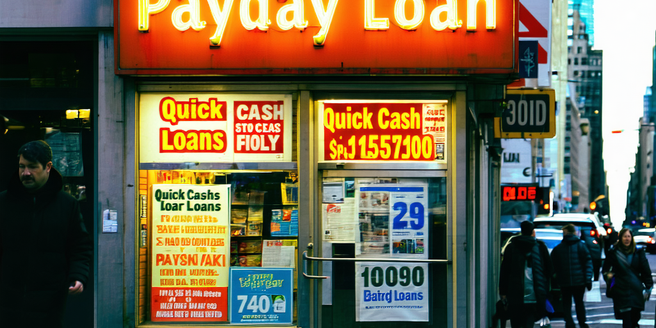
What Constitutes a Bad Credit Loan
| Description | Examples | Key Characteristics |
| Unsecured Loan | Personal Loan | Higher Interest Rates |
| Secured Loan | Auto Loan | Collateral Required |
| Payday Loan | Short-Term | Quick Approval |
| Instalment Loan | Monthly Payments | Longer Duration |
| Title Loan | Vehicle as Collateral | Fast Cash |
| Cash Advance | Credit Card | Immediate Fund Access |
How Do Bad Credit Loans Work
Navigating the world of loans can be daunting, especially if you have a less-than-perfect credit score. If you find yourself in this situation, bad credit loans can offer a lifeline. Essentially, these are loans designed for individuals with low credit scores or limited credit histories. Unlike traditional loans, where a high credit score often determines eligibility and favorable terms, bad credit loans consider other factors such as your income, employment history, and ability to repay the loan.
Lenders specializing in bad credit loans might charge higher interest rates to offset the risk involved in lending to individuals with bad credit. Additionally, these loans often have lower borrowing limits and may require a co-signer or collateral. It’s essential to do thorough research and compare various lenders to find terms that are just and manageable, ensuring you can meet repayment schedules responsibly.
Types of Bad Credit Loans Available
When dealing with a less-than-stellar credit score, navigating the world of loans can be intimidating. However, there are options available for those with bad credit that can provide the necessary financial assistance. One common type of bad credit loan is the payday loan, which offers short-term financial relief but often comes with high interest rates and fees. Another option is a secured personal loan, where borrowers use collateral, such as a car or home, to mitigate risk for the lender and potentially secure better terms. Title loans, similar to secured loans, require a borrower to use their vehicle title as collateral and can offer quick cash, but carry the risk of losing the vehicle upon default. Additionally, personal loans from credit unions may be more lenient, as these institutions often consider factors beyond credit scores when assessing loan applications. It’s essential, however, for borrowers to carefully assess these options, understanding the potential costs and risks involved.
Pros and Cons of Bad Credit Loans
Bad credit loans can be a lifeline for individuals who find themselves staring at a financial hurdle but have a less-than-perfect credit history. One of the major advantages of bad credit loans is their accessibility. These loans, often provided by specialized lenders, offer an opportunity to secure funding without the stringent credit checks that traditional banks require. This can be particularly beneficial for those looking to consolidate debt or cover unexpected expenses.
However, it’s vital to weigh these benefits against potential downsides. Bad credit loans typically come with higher interest rates, reflecting the increased risk the lender takes on. Additionally, some loans feature hidden fees or stringent repayment terms that can exacerbate financial stress if not fully understood. It’s crucial for borrowers to conduct thorough research and carefully read the terms and conditions to ensure the loan aligns with their financial situation and repayment ability.
Eligibility Criteria for Bad Credit Loans
When seeking a bad credit loan, understanding the eligibility criteria is crucial. These loans are designed for individuals who might have had financial setbacks but still have a steady income stream. Typically, lenders look beyond just the credit score, considering factors such as employment status and monthly earnings. Applicants are usually required to be over 18 and possess a valid bank account. Demonstrating a reliable income source, whether from a job, self-employment, or social security benefits, is essential to assure lenders of your repayment capability.
Additionally, lenders may assess your debt-to-income ratio to gauge your financial stability. While some bad credit loan providers might be lenient, they often charge higher interest rates to mitigate their risk. It’s vital to gather all necessary documentation, such as proof of income and identification, to streamline the application process and improve your chances of approval.
How to Apply for a Bad Credit Loan
Applying for a bad credit loan can appear daunting, but with careful planning and informed steps, you can successfully secure the funds you need. First, it’s crucial to understand your credit status by checking your credit score. This helps you know where you stand and which lenders are likely to work with you. Research various lenders who specialize in bad credit loans, as they often offer more flexible terms designed for credit-challenged individuals. When selecting a lender, compare interest rates, repayment terms, and additional fees to ensure a fair and affordable loan. Gather necessary documentation, like proof of income and identification, to expedite the application process. Consider seeking a co-signer, if possible, as it may improve your loan terms. Lastly, meticulously review the loan agreement, ensuring you understand all responsibilities before signing.
Interest Rates and Terms to Consider
When exploring loan options, understanding interest rates and terms is crucial to making a well-informed financial decision. Interest rates impact the total cost of borrowing; thus, even a slight difference in rates can save or cost you significantly over time. Fixed interest rates provide stability, ensuring your payments remain consistent throughout the loan period, often offering peace of mind amidst fluctuating economic conditions. Conversely, variable interest rates might start lower, but they come with the risk of potential increases, which could affect long-term affordability.
Moreover, consider the loan term carefully. Shorter terms typically result in higher monthly payments but pay off the loan faster, reducing the total interest paid. Longer terms offer lower monthly payments but accrue more interest over time. Evaluating your financial goals, income stability, and risk tolerance will guide you in choosing the most suitable terms and rates for your situation.
Tips to Improve Credit Score Before Applying
Improving your credit score before applying for a loan or credit card is crucial in securing better terms and interest rates. Begin by checking your credit report for errors. Many people find inaccuracies that can be corrected, which often leads to an immediate improvement in their score. Next, focus on paying down high-interest debts first; this not only reduces your overall debt burden but also positively affects your credit utilization ratio, a significant factor in credit scoring. Additionally, ensure all bills are paid on time, as payment history is one of the most critical components of your credit score. Setting up automatic payments can help you avoid missed deadlines. Lastly, be judicious with new credit inquiries; applying for multiple credit lines in a short period can negatively impact your score. Instead, concentrate on maintaining a few accounts responsibly.
Alternatives to Bad Credit Loans
In today’s financial landscape, individuals with bad credit often find themselves in a challenging position when seeking loans. However, there are viable alternatives to traditional bad credit loans that can help ease their financial burden without further jeopardizing their credit score. One such option is a credit union loan; credit unions often offer more favorable terms and interest rates compared to conventional lenders because they are member-owned. Another alternative is a secured loan, which requires collateral but usually comes with lower interest rates and less stringent credit requirements. Peer-to-peer lending platforms offer another avenue, connecting borrowers with individual investors willing to provide funds at competitive rates. For those looking to consolidate debt, a debt management plan through a credit counselor could offer a structured payment strategy without the need for new borrowing. Lastly, exploring community resources or nonprofit financial assistance could provide temporary relief.
Managing Repayments for Bad Credit Loans
Managing repayments for bad credit loans can be a daunting task, but with the right strategies, you can regain control of your financial health. Firstly, it’s crucial to understand the terms and conditions of your loan agreement. Make sure you are aware of the interest rates, repayment schedule, and any associated fees. Creating a detailed budget is also essential. Allocate funds each month specifically for your loan repayment, prioritizing it alongside other essential expenses. Consider setting up automated payments to ensure you never miss a due date, avoiding potential penalties. Additionally, if you’re struggling with payments, don’t hesitate to reach out to your lender. Many lenders are willing to discuss alternative arrangements or refinancing options. Lastly, focus on improving your credit score by making timely payments, which will provide more favorable loan options in the future.