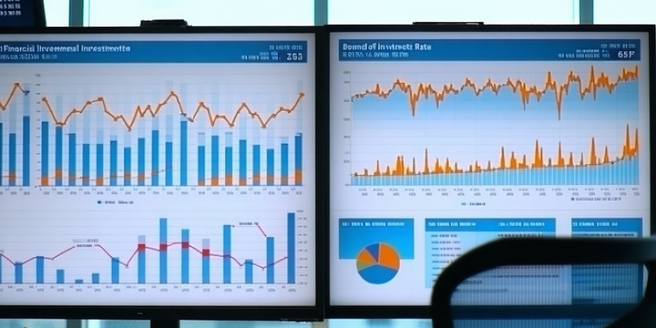
Understanding Interest Rates
| Interest Rates | Definition | Example |
| Fixed Rate | A rate that does not change over the term. | Home loan with fixed payment. |
| Variable Rate | A rate that can fluctuate over time. | Mortgage with rate tied to market index. |
| Prime Rate | The lowest rate at which money can be borrowed. | Loans for businesses based on creditworthiness. |
| Discount Rate | Rate set by central banks for lending to institutions. | Banks borrowing reserves from central bank. |
| Federal Funds Rate | Interest rate at which depository institutions lend balances. | Influences the prime rate and loan rates. |
Historical Trends
Interest rates have fluctuated significantly over the years, influenced by various economic factors. In the post-World War II era, rates were relatively stable. However, the 1970s saw them rise sharply due to high inflation. The 1980s witnessed aggressive rate hikes to combat inflation, leading to economic recessions. Financial policies have had a long-lasting impact on these trends. As globalization intensified, the interconnectedness of economies became more apparent. Since then, rates have generally been on a declining trend, especially after the 2008 financial crisis, when central banks worldwide lowered rates to stimulate growth. Recently, in response to economic challenges and inflationary pressures, there’s been upward pressure on interest rates. Understanding these historical trends helps investors anticipate potential market dynamics.
Interest Rates and Inflation
The relationship between interest rates and inflation is a crucial aspect of monetary policy. Central banks often adjust interest rates to control inflation levels. When inflation is high, central banks may increase interest rates to cool down economic activity and reduce inflationary pressures. This dynamic plays a vital role in shaping the broader economy and influencing financial markets. In particular, sectors such as housing and consumer goods are directly affected by these rate changes. Conversely, in low-inflation environments, lower interest rates are implemented to encourage borrowing and spending, thus stimulating economic growth. Investors must consider these relationships, as inflation can erode the real returns on investments. Understanding how interest rate changes impact inflation helps in making informed investment decisions.
Interest Rates and Stocks
Interest rates have a significant impact on stock market investments. Typically, when rates increase, borrowing costs rise for companies, potentially affecting their profitability and stock prices. This makes it crucial for investors to monitor economic indicators closely. Higher interest rates also make fixed-income investments more attractive compared to equities. It is essential for investors to stay informed about central bank policies. Staying informed can be the difference between profit and loss. Conversely, lower interest rates reduce borrowing costs, potentially boosting corporate earnings and stock prices. However, the relationship is complex and varies across industries. Investors need to assess how rate changes affect specific sectors and the overall market sentiment, making strategic adjustments to their stock portfolio accordingly.
Bonds and Interest Rates
Bonds are directly influenced by interest rate changes, making it essential for investors to understand this relationship. When interest rates rise, existing bonds with lower rates become less attractive, causing their prices to fall. Conversely, when rates fall, existing bonds with higher rates become more valuable. This inverse relationship affects bond market dynamics and investment strategies. Therefore, staying informed about economic indicators that signal changes in interest rates is crucial. Investors need to be aware of the duration and maturity of their bond holdings, as longer-term bonds are more sensitive to rate fluctuations. To mitigate potential risks, investors often diversify their portfolios with a mix of short- and long-term bonds. Understanding bond market reactions to interest rates is vital for managing a balanced investment portfolio.
Real Estate and Rates
The real estate market is particularly sensitive to changes in interest rates, which affect mortgage costs and housing demand. When rates are low, borrowing costs decrease, leading to higher housing demand and potential price appreciation. This often results in increased competition among buyers, driving up prices even more. Conversely, higher rates can suppress demand, slowing down the market. This phenomenon can be observed in both residential and commercial real estate sectors, impacting investors and homeowners alike. Investors need to consider rate trends when making real estate investment decisions, assessing the impact on property values and rental yields. Furthermore, understanding regional rate variations can provide strategic insights for real estate growth opportunities and risk management.
Global Interest Variations
Interest rates vary across countries due to differing economic conditions, policies, and central bank decisions. These variations impact global investments, as investors seek higher returns from regions with favorable rates, or safe havens during economic uncertainties. Consequently, investors must stay informed about the economic trends and monetary policies of different countries. In today’s interconnected world, access to timely and accurate information is more critical than ever. Emerging markets may offer higher yields but come with increased risk. Conversely, developed nations often provide stability with lower rates. Understanding these global variations is crucial for constructing a diversified investment portfolio. It allows investors to capitalize on international opportunities while mitigating risks associated with currency fluctuations and geopolitical factors.
Interest Rate Predictions
Interest rate predictions are a focal point for investors looking to optimize their strategies. Experts analyze economic indicators, central bank signals, and geopolitical events to forecast rate trends. Recently, there have been expectations of gradual rate increases to combat inflation and stabilize economic growth. For instance, many central banks have been closely monitoring inflationary pressures as a key factor in their decision-making. It is crucial for investors to regularly review their financial strategies in light of these potential changes. However, uncertainty remains, influenced by global economic recovery and potential pandemic impacts. Investors need to stay informed about expert predictions, using them as a tool for making prudent investment decisions and adjusting portfolios to mitigate rate-related risks.
Mitigating Rate Risks
To mitigate interest rate risks, investors can adopt various strategies. Diversification across asset classes, such as stocks, bonds, and real estate, can balance potential rate impacts. One effective approach is to regularly educate oneself about the current financial landscape to make informed decisions. Staying informed allows investors to react swiftly to market changes. It’s crucial to remain proactive in monitoring financial news and trends. Additionally, investing in shorter-duration bonds reduces exposure to price volatility from rate changes. Hedging strategies, including interest rate swaps or options, provide protection against unfavorable rate movements. Regular portfolio reviews and adjustments, based on economic forecasts and market conditions, ensure alignment with investment goals. By managing rate risks, investors can safeguard their portfolios while seeking optimal returns.
Long-Term Planning
Interest rate changes significantly influence long-term investment planning. Investors must consider how rising or falling rates may affect asset valuations, borrowing costs, and economic growth prospects. In today’s volatile market, understanding the impact of these changes is more important than ever. As central banks adjust their monetary policies, interest rate shifts can happen more frequently. It is essential for investors to stay informed about potential policy changes that may impact their portfolios. Adapting to a changing rate environment requires a strategic approach, balancing risk and opportunity. Continuous monitoring of market trends and economic indicators is crucial, enabling timely adjustments to investment strategies. Long-term planning should focus on building a resilient portfolio that can withstand rate fluctuations, while capitalizing on favorable market conditions and emerging opportunities.