
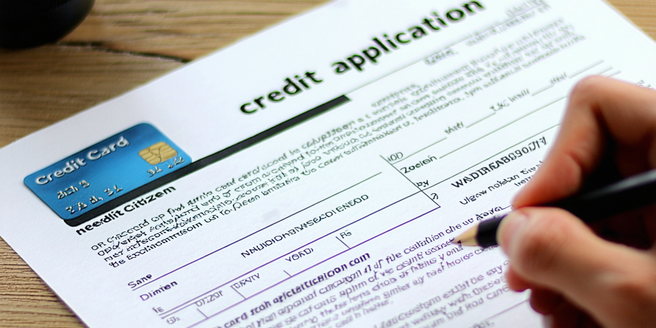
Understanding Credit: A Newcomer’s Guide
Understanding credit is crucial for newcomers who wish to integrate financially in their new environment. Credit acts as a promise that you can be trusted to repay borrowed money. Good credit history can open doors to favorable loans, credit cards, and even rental agreements. For a newcomer, understanding the credit system involves familiarizing oneself with credit scores, credit reports, and the impact of financial behaviors on these elements. Each country may have its own system, so it’s important to research and understand the local nuances. Start by obtaining your credit report from recognized credit bureaus. Maintaining a good credit rating involves regular bill payments, prudent borrowing, and careful financial planning. With patience and discipline, newcomers can build a strong credit history, enhancing their financial security and access to essential services.
The Importance of a Strong Credit Score
A strong credit score is a vital financial tool that can significantly impact a person’s ability to secure loans, mortgages, and even employment opportunities. For newcomers, establishing a strong credit score can mean gaining access to lower interest rates, more borrowing options, and better financial services. A credit score reflects your creditworthiness; therefore, maintaining high scores demonstrates reliability and financial responsibility to potential lenders and creditors. It can save substantial money over a lifetime through better loan terms and conditions. Beyond lending, a strong credit score can influence things like insurance premiums and rental agreements. It’s essential to approach the credit-building process strategically, focusing on paying bills on time, minimizing debt, and managing credit card usage responsibly. Building a sound financial reputation today can provide comprehensive benefits for future financial endeavors.
Essential Steps to Start Building Credit
Building credit from scratch might seem daunting, but following essential steps can help establish a good foundation. First, open a bank account to manage your transactions conveniently. Next, consider applying for a secured credit card, which is ideal for those with no credit history. Always pay bills on time, as payment history heavily influences your credit score. Keep credit utilization low by not maxing out your credit cards, aiming to use less than 30% of your available credit. Regularly monitor your credit report to ensure accuracy and identify areas for improvement. Consider becoming an authorized user on a trusted individual’s credit card to gain positive credit history involvement. By starting small, staying consistent, and growing your financial knowledge, you’ll gradually build a solid credit profile, setting the stage for greater financial opportunities and stability.
Safe Practices for Using Credit Wisely
Using credit wisely entails adopting safe financial practices that prevent debt accumulation and encourage positive credit growth. Start by setting a realistic budget to manage income and expenditures effectively, ensuring there’s enough to cover credit payments. Understand the terms and conditions of any credit agreement or credit card you utilize, focusing on interest rates, repayment timelines, and fees. Avoid unnecessary debt by distinguishing between needs and wants. Make it a habit to pay off your full credit card balance each month or more than the minimum payment to avoid high-interest charges. Regular checks on your credit report can help catch errors or signs of identity theft early. By committing to these safe practices, individuals can leverage credit as a powerful tool for financial security rather than a source of stress.
Common Mistakes to Avoid When Building Credit
Avoiding common mistakes is crucial when building credit to ensure a healthy financial trajectory. One significant error is failing to pay bills on time, as payment history forms a substantial part of your credit score. Maxing out credit cards or maintaining a high credit utilization rate can also negatively affect credit scores. Avoid applying for multiple credit cards or loans simultaneously, as each application can lead to a hard inquiry on your credit report, reducing your score temporarily. Ignoring your credit report is another pitfall; it’s vital to regularly review it for inaccuracies or fraudulent activities. Lastly, neglecting to set a budget can lead to unmanageable debt levels. Being mindful of these common mistakes helps ensure that efforts in building credit serve as a foundation for a robust and reliable credit profile.
Resources and Tools for Monitoring Credit Progress
Monitoring credit progress is vital for building and maintaining a healthy credit score. Several resources and tools can assist in this process. Start by obtaining free annual credit reports from recognized credit agencies to stay informed about your credit status. These reports provide detailed insights into your credit history and financial habits. Consider using credit monitoring services available online, which alert you to changes in your credit report and potential fraudulent activities. Many financial institutions offer apps or platforms that track your credit score and provide personalized advice for improvement. Educational resources such as financial literacy workshops or online courses can deepen your understanding of credit management. By leveraging available resources, individuals can take proactive steps to monitor and enhance their credit progress, supporting informed financial decision-making and goal setting.
