
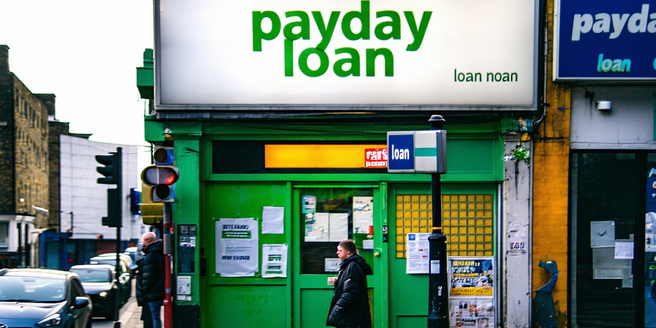
Understanding Bad Credit Loans
Bad credit loans are specifically designed for individuals with low credit scores. Often seen as a risky venture by lenders, these loans usually come with higher interest rates and less favorable terms to mitigate the risk. However, they serve an essential purpose, providing financial options for those who may not qualify for traditional loans due to past credit mishaps. It’s crucial for potential borrowers to understand the types of bad credit loans available, such as payday loans, installment loans, and secured loans. Each option comes with its own set of terms and conditions, so it’s essential to thoroughly research and compare before making a decision. Responsible borrowing and timely repayments can help improve one’s credit score over time, potentially opening doors to better financial opportunities in the future.
Factors to Consider When Choosing a Lender
When selecting a lender for a bad credit loan, several key factors must be considered. Start by evaluating the lender’s reputation through customer reviews and ratings. It’s essential to choose a lender known for transparency and fair practices. Additionally, interest rates and fees can vary significantly between lenders, so comparing these elements is crucial. Understand the total loan cost, including any hidden charges. The lender’s terms regarding repayment flexibility should also be assessed, as this can significantly impact your financial stability. Finally, ensure that the lender is registered and follows all regulatory guidelines, which provides an extra layer of protection. Choosing the right lender can make a substantial difference in managing your financial situation effectively.
Secured vs. Unsecured Loans: Pros and Cons
Secured loans require collateral, offering lenders assurance in case of default. This assurance often results in lower interest rates and more favorable terms compared to unsecured loans, which do not require collateral but come with higher risks for lenders. For borrowers with bad credit, secured loans can be an attractive option due to their potential for better terms. However, the risk of losing valuable assets if payments cannot be met must be considered. On the other hand, unsecured loans, while more expensive, present no risk to personal assets, making them suitable for those without property to offer as collateral. Ultimately, the choice between secured and unsecured loans depends on the borrower’s financial situation and ability to manage risk effectively.
Interest Rates and Fees: What to Watch For
Interest rates and fees significantly influence the total cost of a bad credit loan, making them essential considerations when seeking financing. Borrowers with poor credit typically face higher interest rates, making it vital to shop around for the most competitive rates. Be on the lookout for lenders that offer fixed rates, which provide stability in monthly payments. Hidden fees, such as origination fees, prepayment penalties, and late payment charges, can add up quickly and impact the overall affordability of the loan. Transparency from the lender is critical, as it allows for a clearer understanding of the loan’s true cost. Savvy borrowers will always inquire about the complete fee structure before signing any agreement to ensure manageable and predictable repayment terms over time.
Top Bad Credit Loan Providers to Explore
Finding a reliable bad credit loan provider requires careful research and comparison. Some well-regarded lenders specialize in offering loans to those with less-than-perfect credit. Companies like Avant, Credit One, and Upstart have established reputations for transparency and customer service. Avant provides personal loans with relatively flexible terms tailored for individuals managing lower credit scores. Credit One is known for working with clients to rebuild credit, offering credit cards with reasonable APRs. Upstart bases its lending decisions not solely on credit scores but also on factors like education and job history, potentially providing more opportunities for those with evolving financial backgrounds. Exploring multiple providers ensures you find the best combination of terms and rates suited to your specific financial needs.
