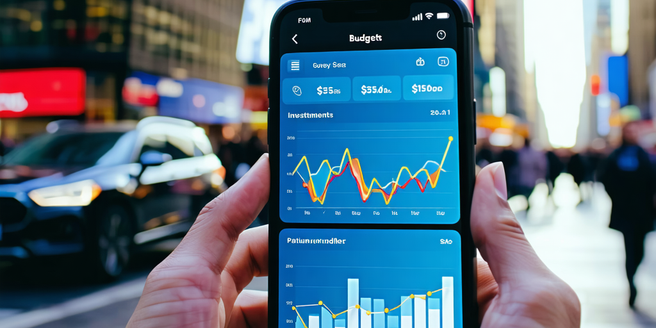
Introduction to Financial Management Apps
| App Name | Description | Platform |
| MoneyTrack | User-friendly budgeting | iOS, Android |
| InvestWise | Investment tracking | Web, Mobile |
| DebtFree | Manage debts easily | Android |
| SecureWallet | Expense security | iOS |
| SyncIt | Bank sync | iOS, Android |
| AlertMe | Custom alerts | Web, Mobile |
Key Features to Look for in an App
Choosing the right financial management app can be daunting given the multitude of options, each boasting unique features. When evaluating apps, consider ease of use, integration capabilities, and data security. Streamlined interfaces can aid usability, especially for those less tech-savvy. It’s also beneficial to read user reviews to gain insights into real-life experiences with the app. Integration with banking services allows for seamless transaction imports, providing a comprehensive financial overview. Prioritize apps with strong security measures such as encryption and two-factor authentication to protect sensitive information. Additionally, look for features that support personalized budgeting and financial goal-setting, as these can enhance user engagement and success. By evaluating these key areas, users can find the app that best suits their financial planning and management needs.
Top Financial Apps for Budgeting
Budgeting is the cornerstone of solid financial management, and several apps excel in this field. Apps like You Need a Budget (YNAB) and Mint offer diverse features that cater to users looking to track their spending habits actively. YNAB focuses on proactive budgeting with a unique approach that encourages users to allocate every dollar towards specific expenses, driving a mindset of purposeful spending. Mint, on the other hand, provides an automated solution linking directly to bank accounts to categorize transactions and glean financial insights effortlessly. Both apps offer customizable financial reports that deliver clarity on spending patterns, aiding users in making informed monetary decisions. Choosing the right app depends on personal budgeting preferences and the level of control desired over individual finances.
Apps for Investment Tracking and Planning
Investment tracking is crucial for anyone looking to grow their wealth, and modern apps offer powerful tools to simplify this process. Personal Capital provides a holistic view of your investments, coupled with financial planning tools that offer retirement planning and investment fee analysis. These apps have revolutionized the way investors manage and monitor their portfolios. Robinhood, targeted towards a younger, tech-savvy audience, enables stock trading without commissions and offers real-time market updates, making it an attractive option for hands-on investors. Both apps emphasize ease of use, with sleek, intuitive interfaces designed to streamline the investment management process. Whether investing in individual stocks or planning for retirement, the right app can significantly enhance one’s ability to track investments and make informed decisions.
Managing Debts with Financial Apps
Managing and reducing debt can be challenging, but financial apps designed for this purpose can make a substantial difference. Apps such as Debt Payoff Planner and Tally provide tailored solutions for those focused on clearing debts. Utilizing technology can often simplify complex financial processes. Debt Payoff Planner allows users to create a strategic plan for repaying debts using the snowball or avalanche method, which can accelerate repayment timelines. Tally acts as a debt management tool that automatically pays down debts while minimizing interest fees, helping users manage multiple credit accounts efficiently. These apps are invaluable for anyone looking to take control of their debt with structured, actionable insights that guide financial recovery.
Security Considerations for Financial Apps
The security of personal and financial data is crucial when choosing financial apps. Strong security practices start with data encryption to protect sensitive information during transmission and storage. Regular updates and patches are vital to address any newly discovered vulnerabilities within the app. Two-factor authentication is another critical feature, adding an extra level of security by requiring a second form of verification in addition to a password. Reviewing privacy policies help users understand data usage and sharing practices, ensuring they select apps that align with their comfort level regarding data handling. Exploring user reviews can also offer insights into any past security breaches or concerns, guiding users to make informed choices about which apps to trust with their financial information.
How to Sync Financial Apps with Banks
Synchronizing financial apps with bank accounts can significantly enhance a user’s ability to track and manage their finances effectively. To start this process, users typically need to link their bank accounts through the app, usually by logging in using their banking credentials. Most apps employ secure protocols to protect user data during this linking process. Additionally, it’s crucial for users to regularly update their app to ensure the highest level of security. Once connected, transactions are updated automatically, providing up-to-date financial snapshots. This automatic synchronization ensures that all activity, including income and expenditure, is accurately recorded and analyzed within the app. Ensuring seamless syncing between banks and apps requires choosing an app with robust integration capabilities that support a wide range of financial institutions.
Customizable Alerts and Notifications
Customizable alerts and notifications are a vital feature for anyone looking to stay on top of their finances. Financial apps often provide users with the capability to tailor notifications to their unique needs, such as reminders for bill payments or alerts for exceeding a set budget limit. With the increasing complexity of personal finance, having these tools can be a lifesaver. This personalization enables proactive financial management, allowing users to adapt more readily to financial changes and avoid overlooking critical spending or saving thresholds. Efficient use of alerts can prevent late fees, overdrafts, and other financial missteps, playing an essential role in maintaining a balanced budget. The flexibility of notifications caters to each user’s financial habits, ensuring they receive timely and relevant updates.
Review of Free vs. Paid Financial Apps
Deciding between free and paid financial apps requires evaluating individual needs and the features offered. Free apps often provide basic budgeting and financial tracking functionalities, which can be ideal for straightforward personal finance management. However, premium versions—and some paid apps—tend to offer enhanced features, such as detailed analytics, personalized advice, and customizable tools for users with more complex financial needs. These paid features often translate to increased value by offering deeper insights and savings suggestions based on individual spending and saving patterns. Ultimately, the choice between free and paid apps should be informed by the specific financial goals one is aiming to achieve and how much they value additional features and support.
Future Trends in Financial Management Apps
The financial app landscape is rapidly evolving, driven by technological advancements and changing consumer needs. Future trends are likely to focus on enhanced artificial intelligence capabilities, providing users with more accurate financial forecasts and personalized financial advice. With these advancements, users will gain unprecedented control over their personal finances, making it easier to achieve financial wellness. Integration with other technologies, such as blockchain, could offer users new levels of transparency and security. Additionally, the rise of open banking is poised to revolutionize how apps interact with financial institutions, offering more innovative features and more comprehensive financial insights. As apps become increasingly sophisticated, they will continue to offer users tailored experiences that adapt to individual financial behaviors and goals, setting new standards in financial management empowerment.