Understanding Credit Scores: The Basics
| Aspect | Description | Impact |
| Payment History | Record of on-time payments | High |
| Credit Utilization | Ratio of credit used vs available | High |
| Length of Credit History | Duration of your credit accounts | Medium |
| New Credit | Recently opened accounts | Low |
| Credit Mix | Types of credit accounts | Low |
| Inquiries | Requests for your credit profile | Low |
Identifying Common Credit Report Errors
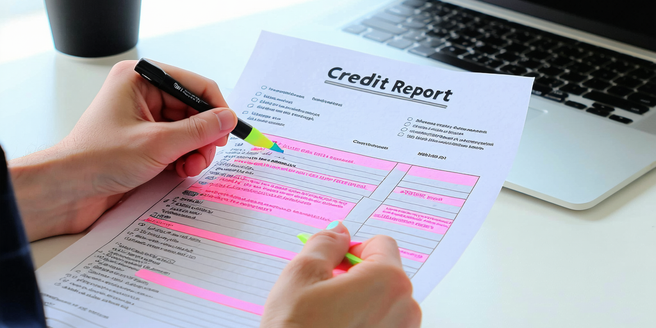
Reviewing your credit report on a regular basis is essential for identifying inaccuracies that might negatively affect your score. Potential errors include incorrect personal information, such as outdated addresses or misspelled names, which can easily be fixed by contacting the credit bureau directly. Additionally, be on the lookout for unrecognized accounts, which may indicate fraudulent activity. Another common error includes misreported late payments or accounts listed as open that have already been closed. Make sure you cross-check all reported information against your own records. Taking quick action to dispute these errors with the credit bureaus can help prevent long-term financial consequences. Ultimately, regularly monitoring your credit report equips you with the knowledge to catch mistakes early and maintain a healthier credit profile.
The Importance of Timely Bill Payments
Timely bill payments play a crucial role in determining your credit score, as payment history accounts for a significant portion of credit score calculations. Late or missed payments can have a lasting impact, with just one missed payment potentially damaging your score for several years. Automating your bill payments ensures you never miss a due date, protecting your credit profile. Additionally, understanding and adhering to the billing cycle is key. Should you face financial hardship, consider contacting your creditor to discuss potential payment arrangements before missing a payment. A positive payment history not only improves your credit score, it also fosters trust with lenders, increasing your chances of securing favorable loan terms in the future. Maintaining timely bill payments is an essential habit for achieving and maintaining a healthy financial lifestyle.
Strategies for Reducing Outstanding Debt
Reducing outstanding debt is a powerful method for improving your credit score and overall financial health. Start by listing all your debts and categorizing them based on interest rates. Focus on paying off high-interest debts first, such as credit card balances, to save money on interest. Another effective strategy is the snowball method, where smaller debts are prioritized, providing a motivational boost as each is paid off. Consider consolidating your debts into a single loan with a lower interest rate, simplifying your payments and potentially reducing total interest paid. Consistently making more than the minimum payments will also help reduce your balances faster. Lastly, refrain from acquiring new debt during this period, which could undermine your efforts. Implementing these strategies requires discipline and dedication, but will yield rewarding results over time.
Effective Communication with Creditors
Effective communication with creditors is an essential aspect of managing your finances and credit profile. If you’re struggling with debts, reaching out to your creditors proactively can help prevent negative credit implications. When communicating, clearly explain your situation and propose potential payment plans that can work within your budget. Lenders often appreciate transparency and may offer temporary hardship plans, reduced interest rates, or paused payments to support you. Document all communication for future reference, including phone calls, emails, and letters, to ensure clarity and accountability on both sides. Timely and respectful interactions build trust with creditors, facilitating a smoother process when resolving outstanding debt issues. Building these relationships, rather than avoiding difficult conversations, strengthens your credit management foundation and improves your financial well-being.
The Role of Credit Utilization Ratios
Your credit utilization ratio significantly influences your credit score and represents an important component of your financial health. This ratio measures the total amount of credit you are using compared to your available credit limit. Ideally, aim to keep this ratio below 30% to demonstrate responsible credit usage, positively impacting your credit score. Reducing your credit card balances and spreading your expenses across multiple lines of credit can help maintain a favorable utilization rate. Also, consider requesting a credit limit increase from your card issuer, which, if approved, directly improves your utilization ratio without additional spending. Routinely monitoring and managing this ratio ensures your credit score reflects responsible financial behavior. An optimal credit utilization ratio not only enhances your credit score but also indicates to potential lenders your effective credit management skills.
Building Positive Credit History
Establishing and maintaining a positive credit history is fundamental for achieving financial stability and accessing favorable lending terms. Begin by opening accounts in your name, ensuring you make regular, on-time payments, thus demonstrating creditworthiness. Diversify your credit mix by having a combination of revolving credit, like credit cards, and installment accounts, such as loans, to enhance your credit profile. Keep your accounts open and active, and refrain from closing old accounts abruptly as this can decrease your credit score. Even if you pay off a credit card, using it occasionally and paying off the balance promptly keeps it in good standing. Time and responsible credit behaviors are key; gradually building a reliable history supports both your credit score and overall financial opportunities. Positive credit history facilitates easier access to financial services and better interest rates.
Tools and Resources for Monitoring Your Credit
Utilizing a combination of tools and resources for monitoring your credit is crucial for staying informed about your credit status. Many free and paid services offer regular credit report updates and alerts about changes to your profile. Websites like AnnualCreditReport.com provide free annual credit reports from all three major bureaus, equipping you with comprehensive insights. Credit monitoring apps, like Credit Karma or Experian, offer tools to track scores, simulate potential impacts of financial decisions, and receive notifications for unexpected changes. Additionally, financial institutions may offer free credit score tracking for customers as part of their services. Utilizing these tools helps you quickly identify discrepancies, enabling timely action to rectify issues. Regular monitoring of your credit profile contributes to proactive financial management, safeguarding your credit score and personal finances.
How Inquiries Impact Your Credit Score
Understanding how inquiries impact your credit score is important for maintaining a healthy credit profile. There are two types of inquiries: soft and hard. Soft inquiries, such as those for background checks or personal score checks, do not affect your credit score. On the other hand, hard inquiries, typically resulting from formal credit applications, can temporarily lower your score by a few points. While hard inquiries are a normal part of establishing credit, accumulating multiple ones in a short period may signal risk to lenders, negatively impacting your score. It’s wise to limit the number of new credit applications and only apply for credit when necessary. Monitoring your credit report allows you to verify inquiries and address any unauthorized applications. Being mindful of inquiries helps maintain a healthier credit score and enhances your appeal to potential lenders.
Setting Realistic Goals for Credit Repair
Setting realistic goals is critical when embarking on the journey to repair your credit. Start by assessing your current financial situation, identifying key areas that need improvement, such as paying down overdue debts or correcting report inaccuracies. Break down your credit repair process into manageable, actionable steps, setting achievable timelines for each. Prioritize high-impact changes like improving payment history or reducing credit utilization, which significantly boost your credit score. Avoid the temptation of quick-fix solutions marketed by some agencies, understanding that credit repair requires time and effort. Regularly track your progress against your set goals, celebrating small victories along the way. Keeping a focused, long-term perspective ensures sustainable credit healing efforts, empowering you to regain control over your financial future and establish a stronger, healthier credit profile.