
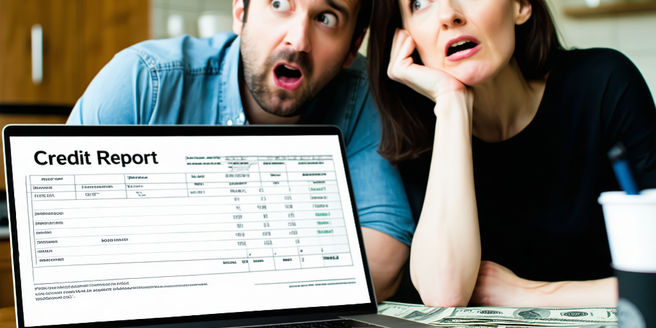
Understanding Bad Credit Scores
A bad credit score is generally a FICO score below 580, often resulting from missed payments, defaulted loans, or high credit utilization. Lenders see these scores as risky, potentially leading to loan rejections or higher interest rates. Understanding your credit score is crucial for financial planning. Obtain your credit report to identify areas for improvement—such as catching up on late bills or reducing your credit card balances. Regular monitoring can help track progress and alert you to errors that might lower your score. Remember, rebuilding credit takes time, so consistent efforts like timely payments and responsible credit use are essential. Utilizing professional advice, like credit counseling, can be beneficial if you feel overwhelmed, providing personalized strategies for credit improvement. With dedication, you can gradually improve your creditworthiness.
Secured vs. Unsecured Loans
Secured loans require collateral—assets like a car or home backing the loan, reducing lender risk. This often results in lower interest rates and easier approval, even with bad credit. However, defaulting on a secured loan means risking the loss of your asset. In contrast, unsecured loans don’t need collateral, relying purely on your creditworthiness. This increases the lender’s risk, often leading to higher interest rates and stricter approval criteria. For individuals with bad credit, secured loans may be more accessible, offering a path to improve credit scores if managed well. Carefully evaluate your ability to meet repayment obligations. Balancing the lower interest and risk of asset forfeiture in secured loans versus the higher cost but less personal risk of unsecured loans is vital for smart borrowing decisions.
Personal Loans for Bad Credit
Individuals with bad credit may struggle to find traditional personal loans, as these loans typically rely on credit scores for approval. However, some lenders specialize in offering personal loans specifically designed for those with lower scores. These loans often come with higher interest rates to mitigate the lender’s risk, but they can be a viable solution for necessary expenses like medical bills or emergencies. Before applying, research potential lenders to find the best terms available. Ensure that any loan fits within your repayment budget despite the higher cost. Making consistent payments on a personal loan can also help improve your credit score over time. Always read the loan terms carefully, considering fees and penalties that might increase the overall cost of borrowing before committing.
Payday Loans: Quick Cash Solutions
Payday loans are short-term, high-interest loans designed to provide immediate financial relief until your next paycheck. These loans are especially appealing to those with bad credit due to their minimal eligibility requirements and quick processing times. However, the convenience comes at a cost—interest rates can be exorbitantly high, often resulting in a cycle of debt if not fully repaid on time. It’s crucial to evaluate whether this quick cash solution offers more benefits than drawbacks to your financial health. Consider alternatives, such as borrowing from friends or family, or negotiating payment plans with creditors before opting for a payday loan. Educating oneself about the terms, and ensuring you have a solid repayment plan in place, can help mitigate the risks associated with payday loans.
Credit Union Loans: A Friendly Alternative
Credit unions, unlike traditional banks, are member-owned, often resulting in more personalized service and competitive loan rates. They can be an excellent option for those with bad credit due to their willingness to work with members and provide financial education. Credit union loans often feature lower interest rates and flexible terms compared to standard banking institutions. If you’re struggling with bad credit, consider joining a local credit union, which may offer small loans or credit-building programs tailored to help improve your financial standing. Engaging directly with credit union advisors can offer insights into managing finances and achieving better credit health. Their member-focused approach might provide a supportive environment for obtaining manageable loans and guidance, reducing the stress often associated with financial hardship.
Exploring Peer-to-Peer Lending Options
Peer-to-peer (P2P) lending platforms match borrowers directly with investors willing to fund loans, bypassing traditional banking systems. This method can be attractive for those with bad credit, offering potentially lower interest rates and more flexible terms than banks. However, the application process still involves credit evaluations, and terms can vary significantly between platforms. For borrowers, P2P lending might offer a solution with less stringent conditions, but it’s essential to assess each platform’s credibility and user reviews. Delve into the specifics, such as interest rates, fees, and repayment terms, before proceeding. Also, be transparent about your financial situation when applying to improve approval chances. Proper research and careful consideration of the terms can make P2P a viable option for those looking to alleviate financial burdens while rebuilding credit.
