
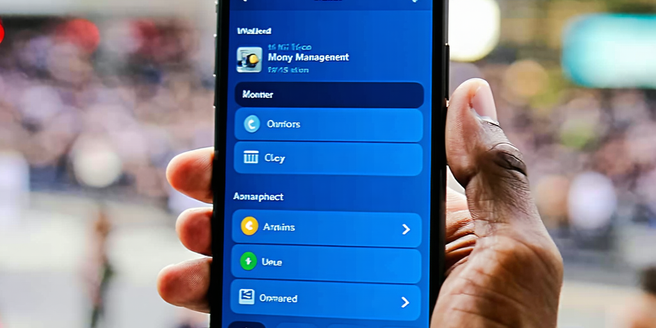
Understanding Digital Wallets
Digital wallets are rapidly transforming the way consumers interact with currency, offering a more convenient, efficient, and secure method of managing finances. Unlike traditional wallets, digital wallets store users’ payment information electronically and can be accessed via smartphones or computers. They allow quick online purchases, easy peer-to-peer transactions, and eliminate the need for carrying physical cards or cash. Key players like PayPal, Apple Pay, and Google Wallet dominate the space, leveraging advanced encryption to ensure secure transactions. As consumers increasingly prioritize seamless and contactless payment options, digital wallets are becoming an integral part of the financial landscape. For businesses, incorporating these payment solutions can lead to increased customer satisfaction and a wider consumer base. With continuous advancements, digital wallets will likely become ubiquitous in both online and offline transactions.
The Rise of Mobile Payment Apps
Mobile payment apps have revolutionized the way we handle everyday transactions, making purchases easier and more accessible than ever before. As smartphone penetration rises, more consumers leverage mobile apps for both shopping and peer-to-peer transactions. Popular platforms like Venmo, Cash App, and Zelle offer user-friendly interfaces enabling quick money transfers. These apps foster community-driven lending and borrowing, often mimicking social networks with transaction timelines. The convenience of scanning QR codes to pay at physical locations further enhances their utility. As tech giants and startups continue to innovate, mobile payment apps are advancing with enhanced security and expanded compatibility. This shift towards mobile payments is driven by consumer demand for instant, on-the-go financial solutions, posing challenges and opportunities for traditional banking as they adapt to this digital evolution.
Comparing Payment Gateways vs. Processors
Understanding the distinction between payment gateways and processors is crucial for online businesses. Payment gateways serve as the interface between merchants’ websites and their financial institutions, facilitating secure transaction data transfer. Payment processors, on the other hand, act as the middleman between banks and the merchant, authorizing and managing the transaction funds. Essentially, the gateway encrypts and communicates the data for approval, while the processor executes the transfer of funds to the merchant’s account. Together, they work to ensure smooth and reliable payment flows. Evaluating features like integration capabilities, fees, and security measures is essential when selecting these services. Businesses must choose a combination that aligns with their operational needs and customer preferences to optimize transaction success and enhance trustworthiness in their checkout processes.
Security Measures in Online Transactions
As online transactions become more prevalent, ensuring their security is a prime concern for both businesses and consumers. Implementing robust security measures helps protect sensitive data from cyber threats and fosters trust. Key strategies include encryption, tokenization, and utilizing secure socket layer (SSL) connections to safeguard information during transmission. Regular security audits and updates to software systems are vital to mitigate vulnerabilities. Two-factor authentication (2FA) adds an extra layer of security, requiring users to verify their identity through an additional device or code. Encouraging users to create strong, unique passwords also bolsters defense against breaches. Educating consumers on identifying phishing attempts and practicing safe online behavior complements these technical safeguards. As cyber attackers become more sophisticated, evolving security protocols are essential in ensuring the safety of digital transactions.
How Cryptocurrency Is Changing Payments
Cryptocurrency is rapidly altering the landscape of online payments by offering decentralized, peer-to-peer digital transactions. Unlike traditional currencies controlled by central banks, cryptocurrencies like Bitcoin and Ethereum operate on blockchain technology, ensuring greater transparency and security. This decentralization eliminates intermediaries, which can reduce transaction fees and processing times. For consumers, cryptocurrencies provide more control over their finances and offer new investment opportunities. Businesses accepting cryptocurrencies can expand their market reach and offer alternative payment methods, appealing to tech-savvy customers. However, regulatory changes and volatility remain challenges to mainstream adoption. As technology evolves and stabilizes, cryptocurrency’s role in reshaping global payment systems continues to grow, sparking debates about the future of financial ecosystems and encouraging innovation in monetary exchange methods.
Future Trends in Online Payments
The future of online payments is shaped by technological advancements and changing consumer behaviors. Trends such as biometric authentication, including fingerprint and facial recognition, are set to enhance security and user experience. The integration of artificial intelligence and machine learning in payment systems will provide personalized financial services and predictive analytics. Additionally, voice-activated payments are on the rise, driven by smart home devices and virtual assistants. As businesses strive for sustainability, digital payments will increasingly support green initiatives, reducing paper trails and carbon footprints. The expansion of 5G networks globally will facilitate faster and more reliable payment processing. Innovative payment methods like cryptocurrencies and stablecoins are gaining traction, promoting financial inclusivity. These trends indicate a shift towards more efficient, secure, and accessible payment processes, redefining customer interactions worldwide.
