
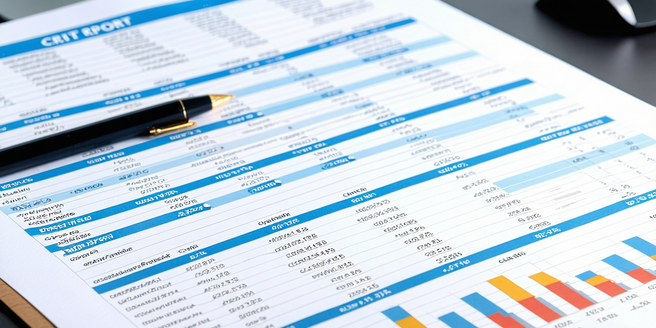
Understanding Credit Reports: What They Are and Why They Matter
Credit reports are comprehensive documents that record a person’s credit history. They are compiled by credit bureaus and contain detailed information about an individual’s credit accounts, payment history, and public records. Lenders use these reports to assess the creditworthiness of potential borrowers. Understanding credit reports is crucial because they affect your ability to obtain credit, secure favorable loan terms, and even impact rental opportunities. Sometimes, people are unaware of the factors influencing their credit score, making it even more important to educate oneself on credit reports. It’s essential to regularly monitor your credit report to ensure the information is accurate and up-to-date, as errors can lead to negative outcomes like loan rejections or higher interest rates. This transparency enables consumers to manage their financial reputation responsibly.
How Credit Scores Are Calculated: Key Factors and Components
Credit scores are numerical representations of your creditworthiness, calculated based on several factors in your credit report. Key components include payment history, amounts owed, length of credit history, new credit inquiries, and types of credit used. Payment history holds significant weight, as timely payments indicate reliability. Regularly monitoring your credit report can also help you spot potential errors that may affect your score. Amounts owed reflect how much credit you’re using compared to your limits. A longer credit history can demonstrate stability, while new inquiries might suggest increased credit risk. Diverse credit types signal the ability to manage various credit lines. Understanding these elements can help you focus on areas to improve or maintain a good credit score, which is pivotal in securing financial products at competitive rates.
The Differences Between Credit Reports and Credit Scores
While often used interchangeably, credit reports and credit scores serve different purposes. A credit report is a detailed document containing your credit history, including open accounts, credit limits, payment records, and any related public records. It is crucial to regularly review your credit report to ensure all information is accurate and up-to-date. In contrast, a credit score is a three-digit number derived from the data in your credit report, summarizing your creditworthiness. Credit reports are comprehensive, showing the full nature of your credit activities, while credit scores provide a quick snapshot that lenders commonly use for initial evaluations. Understanding both is essential, as a positive credit report can lead to a healthy credit score, hence impacting your ability to obtain credit and favorable rates.
Why Accurate Credit Reports Are Crucial for Your Financial Health
Accurate credit reports are instrumental in ensuring your financial health because they directly influence creditworthiness assessments by lenders. An error in your credit report can result in a lower credit score, which may limit your access to credit or increase borrowing costs. Regularly reviewing your credit report helps identify mistakes like incorrect accounts or overdue statuses, allowing you to correct these before they impact loan or mortgage applications. Staying informed about your credit report’s status can also guide your financial planning effectively. This diligence protects you from identity theft and fraudulent activities that can damage your financial stability. By maintaining an accurate credit report, you ensure fair treatment by financial institutions and better access to financial resources.
Tips for Improving Your Credit Score and Report
Improving your credit score and report often requires strategic financial behavior and continued diligence. Start by making all your payments on time, as payment history is a major factor in score calculations. Additionally, setting up automatic payments can ensure you never miss a due date. Reduce your credit utilization ratio by paying down existing debts and avoiding maxing out credit cards. Regularly request and review your credit report to correct any inaccuracies that could harm your score. Diversify your credit mix but avoid opening too many new accounts at once, as this can signal risk to lenders. Consider creating a budget to manage expenses and set financial goals. These efforts combined can lead to a more reflectively positive credit profile.
