
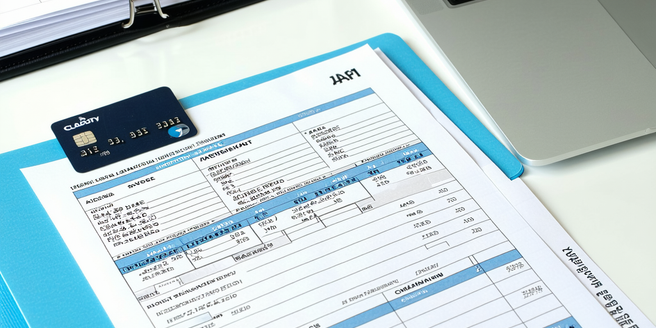
Understanding Your Credit Card Statement
Your credit card statement is more than just a summary of your monthly expenses. It contains essential information that can help maintain your financial health. The statement provides details such as your available credit, total balance, and minimum payment due, which are vital for managing your debt responsibly. Additionally, it outlines the due date for payments and any fees incurred. Reviewing these details regularly helps ensure accuracy and prevents future financial strain. Understanding your statement enables you to track spending habits and make informed financial decisions. It offers an opportunity to correct any inaccuracies promptly, ensure timely payments, and avoid unnecessary interest charges. Thus, thoroughly reviewing your statement each month is a financial best practice.
Key Sections to Focus On
When reviewing your credit card statement, it’s crucial to know which sections deserve close attention. Start with the summary section, which provides an overview of your account status, including the statement balance and minimum payment due. Next, examine the transactions list to verify each charge. Unauthorized transactions or errors should be addressed immediately to avoid out-of-pocket losses. Pay special attention to any fees or interest charges to understand how they impact your overall balance. Finally, review any payment deadlines and terms at the end of your statement. These sections contain information critical to maintaining a healthy credit score and avoiding penalties. By focusing on these key areas, you can prevent financial oversights that might lead to debt accumulation.
How to Spot Unauthorized Transactions
Spotting unauthorized transactions early is crucial for protecting your financial security. To identify these, regularly review the transaction section of your credit card statement. Look for unfamiliar charges, as they could be signs of fraud. Compare each charge against your personal records, such as receipts and bank notifications, to ensure their legitimacy. If you suspect a transaction is unauthorized, contact your credit card provider immediately to dispute the charge and possibly freeze your account to prevent further unauthorized access. Additionally, it’s wise to subscribe to transaction alerts, which notify you of any charges made to your card in real-time. This proactive approach can catch suspicious activities faster and protect against identity theft.
The Importance of Payment Deadlines
Adhering to credit card payment deadlines is essential for maintaining financial stability. Late payments can lead to additional fees, increased interest rates, and a negative impact on your credit score. To avoid these consequences, mark payment due dates on your calendar and set reminders a few days before they arrive. Consider setting up automatic payments to ensure your minimum due amount is covered on time every month. However, always check your balance to ensure there are sufficient funds. Timely payments not only prevent penalties but also contribute positively to your credit history, which can be beneficial for future credit opportunities like loans or mortgages. Being diligent about meeting deadlines is a key aspect of credit management.
Decoding Fees and Interest Rates
Understanding the fees and interest rates listed on your credit card statement is vital for preventing unexpected financial burdens. Common fees include annual fees, late payment fees, and foreign transaction fees. Interest rates, expressed as the Annual Percentage Rate (APR), apply to any unpaid balance and can significantly affect the cost of carrying debt. Familiarize yourself with these terms to make informed decisions about managing your balance. If your statement lists fees or interest you don’t understand, contact your provider for clarification. Knowing how these fees accrue and when they apply not only aids in budgeting but also helps avoid additional charges. Being informed will enable you to optimize your credit card use wisely.
Steps to Take for Discrepancies
If you identify discrepancies in your credit card statement, it’s important to act quickly to resolve them. First, gather evidence such as receipts or online transaction records that support your claim. Contact the customer service department of your credit card provider and report the issue promptly. Be prepared to provide details about the disputed transaction, including the date, amount, and any relevant information that substantiates your claim. Follow up in writing, keeping copies of communications for your records. Most credit card companies have a set period, usually 60 days, within which you need to report errors. Acting promptly ensures that the discrepancy is addressed, protecting your finances and credit score from potential harm.
