
Understanding Your Financial Needs
Before diving into any budgeting app, it’s vital to have a clear understanding of your financial needs. This involves assessing your monthly income, fixed expenses, and discretionary spending. Regular evaluation of your spending habits can also shed light on any unnecessary expenditures. Knowing this will help you identify areas where you can save and prioritize. Reflect on what financial goals are most important to you: are you saving for a big purchase, trying to pay down debt, or seeking to improve your credit score? Understanding these needs can not only guide your choice of a budgeting app but also inform how you use it to track expenses, set goals, and monitor your financial health effectively. Once your financial needs are outlined, finding an app that aligns with them will simplify the process of managing your finances.
Exploring the Best Budgeting Apps
Budgeting apps are diverse, catering to different financial needs and preferences. Some popular choices include Mint, YNAB (You Need A Budget), and PocketGuard. Mint offers expense tracking and allows syncing with bank accounts for seamless management. YNAB focuses on proactive budgeting, helping you allocate every dollar to specific purposes. It’s important to evaluate how each app aligns with your personal financial goals. PocketGuard simplifies budgeting by showing how much is available to spend after accounting for bills and savings goals. When choosing an app, consider what features are most important to you. Whether it’s tracking expenses, syncing accounts, or setting financial alerts, there’s likely an app that matches your needs. Exploring reviews and ratings can also guide your decision, providing insight into user experiences and benefits these apps offer.
Setting Clear Financial Goals
Setting clear financial goals is a crucial step in utilizing budgeting apps effectively. These goals could range from short-term objectives, like saving for a vacation, to long-term aspirations such as buying a house or retiring early. When utilizing a budgeting app, translate these goals into specific numbers and timelines. For example, if your goal is to save $10,000 within a year, break it down into monthly targets that are trackable through your budgeting app. Setting reminders can help keep you accountable to these targets. Use the app to monitor progress and adjust spending habits accordingly. Clear goals not only motivate but also provide direction, helping you stay focused and disciplined. Regularly reviewing these goals ensures they remain relevant and achievable, aiding in maintaining financial health.
Tracking Expenses Effectively
Tracking expenses is a fundamental feature of any effective budgeting app. By categorizing and logging every purchase, you gain insight into your spending habits. This visibility allows for better financial planning and identifying unnecessary expenses. Most budgeting apps offer features that automate this process, syncing with bank and credit accounts to track and categorize transactions in real-time. With the integration of AI, these apps can also predict future spending patterns based on historical data. This digital convenience saves time and reduces the potential for human error. This provides an accurate view of where your money goes, helping in making informed decisions about cuts or adjustments needed to meet your financial goals. Additionally, setting up alerts for overspending or reaching spending limits within these categories can enhance discipline and ensure you stay within your budget.
Creating a Budget Plan with Apps
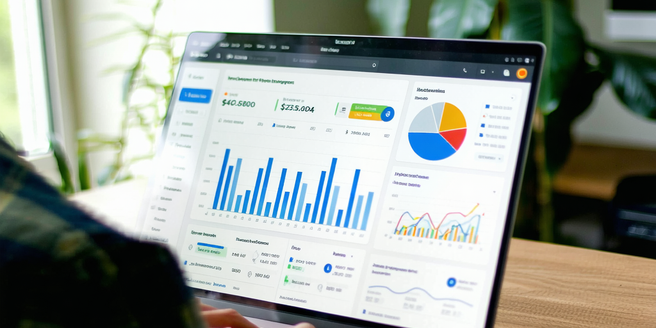
Creating a budget plan using apps is straightforward, thanks to user-friendly interfaces and guided setup processes. Start by entering your income and expenses into the app, categorizing each to understand where your money typically goes. It’s important to periodically review and adjust your budget to reflect any changes in income or expenses. Many apps offer templates based on common expense categories such as housing, groceries, and transport. You can even link your bank accounts for automatic updates, reducing manual entry. Customize these categories to fit your unique financial situation. Set limits for each category to prevent overspending and ensure enough is allocated for savings. Regularly updating your budget plan with real-time data helps in staying aligned with your financial goals. The visual breakdowns and reports provided by the app keep you informed and motivated, making budgeting an ongoing, manageable activity.
Linking Apps to Your Bank Accounts
Linking your budgeting app to your bank accounts can vastly improve the accuracy and efficiency of your finance tracking. This feature automates the process of recording transactions and updating account balances, providing you real-time data on your financial status. By leveraging this technology, you ensure that your financial planning is as efficient as possible. Additionally, it simplifies the process of managing multiple accounts by consolidating your financial information into one comprehensive view. Most budgeting apps offer secure connections to popular banks, ensuring that your information is protected while allowing seamless data import. By having up-to-date information, you can make quicker, better-informed financial decisions without manually entering each transaction. It also assists in identifying spending patterns, enabling you to make strategic adjustments in your budgeting to optimize savings and debt reduction.
Monitoring and Managing Debts
Debt management is a key component of financial health, and budgeting apps can be invaluable in this regard. By tracking all your debts within an app, you can visualize payment schedules and outstanding balances, making it easier to prioritize which debts to tackle first. Many apps allow goal-setting for debt repayment, providing timelines and projections that help you stay on track. These tools often come with customizable features, allowing you to tailor strategies to your unique financial situation. In fact, some apps even offer financial advice and tips to optimize your debt reduction plan. With features like automated expense tracking and alerts, you can ensure timely payments, avoiding late fees and penalties that can exacerbate financial strain. Additionally, seeing progress over time can motivate continued adherence to payment plans, reducing overall debt burden efficiently.
Using Budget Insights to Boost Credit
Budgeting apps offer insights that can significantly impact and improve your credit score. By consistently tracking expenses and managing bill payments through these apps, you ensure that all payments are made on time, a critical factor in credit scoring. Furthermore, many people find that the visual representations of their spending habits are eye-opening and motivate them to change. Additionally, understanding spending patterns helps in managing debt-to-credit ratio by optimizing credit card usage and avoiding unnecessary debt. Taking advantage of these insights can lead to more strategic financial decisions overall. This proactive approach can prevent minor issues from escalating into major financial problems. Many apps provide analysis tools that highlight trends and suggest actions to improve financial health, which can indirectly improve credit scores over time. Regularly reviewing these insights keeps you informed and proactive in maintaining and improving credit standing.
Staying Consistent for Long-term Success
Consistency is the backbone of successful budgeting and financial planning. While budgeting apps provide tools and resources, the onus is on maintaining regular use and adhering to the set plans. It’s important to remember that even small, daily check-ins can lead to significant progress over time. Establishing a routine to check your budget app daily ensures that you are always aware of your financial standing and can make proactive adjustments as needed. By staying informed and proactive, you prevent minor issues from escalating into bigger financial problems. This consistent engagement helps in building financial discipline and achieving set goals. Over time, this practice fosters long-term benefits, including improved financial habits, savings growth, and debt reduction. The positive reinforcement from achieving small, consistent victories keeps motivation high, leading to sustained fiscal success.
