Understanding the Basics
| FICO Score Factors | Percentage Impact | Description |
| Payment History | 35% | Timeliness of payments |
| Credit Utilization | 30% | Amount owed vs. credit limit |
| Credit History Length | 15% | Age of credit accounts |
| New Credit | 10% | Recent credit inquiries |
| Types of Credit | 10% | Diverse credit portfolio |
Payment History’s Role
Payment history plays a pivotal role in shaping one’s financial health and creditworthiness. When it comes to determining credit scores, payment history is often the most significant factor, accounting for 35% of the overall score in many popular credit scoring models like FICO. This is because it provides lenders with a snapshot of an individual’s reliability in managing debt and meeting financial obligations. A consistent track record of on-time payments can strengthen a credit profile, opening doors to favorable loan terms, lower interest rates, and even increased borrowing limits. On the other hand, missed or late payments can have a lasting negative impact, raising red flags for potential lenders and possibly resulting in higher costs of borrowing. Therefore, maintaining a disciplined approach by automating payments or setting reminders can be crucial in preserving a healthy credit history.
Credit Utilization’s Effect
Credit utilization, the ratio of your credit card balances to your credit limits, plays a pivotal role in determining your credit score. This metric influences 30% of your FICO score calculation, making it crucial for financial health. Maintaining a low credit utilization ratio, generally below 30%, signals to lenders that you manage credit responsibly and do not overextend yourself financially. High credit utilization, on the other hand, can suggest riskier financial behavior, potentially resulting in decreased credit scores and higher interest rates on loans. Regularly monitoring your credit card balances and strategically paying down debt can help ensure your utilization rate remains optimal. Additionally, requesting credit limit increases can also reduce your utilization percentage without needing to reduce spending, providing a potential buffer. By understanding and managing this essential aspect of credit health, you pave the way for better financing opportunities and long-term financial stability.
The Importance of Credit History
In today’s financial landscape, credit history plays a pivotal role in securing one’s economic future. This invisible scorecard determines not only your ability to secure loans and mortgages but also impacts rental agreements, insurance rates, and even potential employment opportunities. Essentially, it acts as a reflection of your financial responsibility, showcasing your pattern of borrowing and repaying debts. A solid credit history can open doors to lower interest rates, more flexible repayment terms, and a greater selection of financial products. On the other hand, a blemished record can limit these opportunities and increase costs. Building and maintaining good credit is essential; it’s important to make payments on time, keep debt levels manageable, and avoid unnecessary credit inquiries. Understanding the significance of credit history enables individuals to make informed financial decisions and secure a stable economic future.
New Credit’s Impact on Score
When considering ways to manage and improve your credit score, understanding the impact of new credit is essential. Each time you apply for credit, whether it be a mortgage, car loan, or credit card, lenders perform a hard inquiry on your credit report. These inquiries can slightly impact your overall score, typically lowering it by a few points. However, the effect is usually temporary, as timely payments and responsible credit usage can help rebuild and even enhance your score over time. Furthermore, opening new credit accounts could increase your total available credit, potentially lowering your credit utilization ratio—a key factor in scoring models. This can be beneficial, but only if new credit is managed wisely. Too many new accounts in a short period can signal financial distress to lenders, ultimately having a negative effect. Balance and strategic planning are therefore vital.
Diversifying Types of Credit
In today’s financial landscape, diversifying types of credit is a prudent approach for individuals looking to enhance their financial health and resilience. Different types of credit, such as credit cards, personal loans, and installment loans, each have unique features that can cater to various financial needs and goals. By diversifying, individuals can build a robust credit profile that reflects a mix of credit types, which can positively impact their credit scores. This diversity can demonstrate to lenders a borrower’s ability to handle multiple financial responsibilities effectively. Moreover, having access to various credit options provides greater flexibility, enabling one to tap into the right type of credit for specific situations, whether it’s funding a large purchase, consolidating debt, or building credit history. Strategically managing a diverse credit portfolio can lead to better financial security and open doors to favorable lending terms in the future.
Influence of Credit Inquiries
Credit inquiries play a crucial role in the broader landscape of personal finance, impacting your credit score and, ultimately, your access to credit. When you apply for new credit, such as a credit card or loan, lenders perform a hard inquiry to assess your creditworthiness. While these inquiries are necessary, they may slightly lower your credit score. Each hard inquiry can affect your score by a few points, although their impact is generally short-lived. However, frequent credit inquiries in a short period can signal riskier financial behavior to lenders, potentially affecting your approval odds.
On the flip side, soft inquiries, such as those stemming from background checks or pre-approved loan offers, do not impact your score. Understanding the influence of credit inquiries helps you make informed financial decisions, ensuring that a strategic approach to new credit applications supports your long-term financial health and goals.
Improving Your FICO Score
Improving your FICO score is essential not just for securing loans with favorable terms, but also for enhancing your overall financial health. The first step is understanding that your payment history significantly impacts your score; therefore, timely bill payments are critical. Consider setting up automatic payments or reminders to ensure you never miss a due date. Additionally, reducing your credit utilization ratio can have a positive effect. Aim to use less than 30% of your total available credit by paying down existing debts and avoiding maxing out your credit cards. Moreover, be mindful of opening new credit accounts. While a diverse credit mix can be beneficial, applying for many accounts in a short period can raise red flags. Lastly, review your credit report regularly for errors, and dispute any inaccuracies promptly to ensure your score reflects your true financial behavior.
FICO Score Misconceptions
When it comes to understanding credit, many people find themselves navigating a maze of complex and often confusing concepts. One of the most common areas of confusion is the FICO score. Many believe their FICO score is just an indicator of financial health. However, it’s crucial to clarify that it’s actually a measure used primarily by lenders to assess credit risk. Another misconception is that checking your own FICO score can harm it. In truth, when you check your own score, it’s known as a “soft inquiry,” which does not affect your score. Additionally, some think having no debt means a high FICO score, but the absence of credit history or recent activity can result in a lower score. Understanding these nuances better equips individuals to manage their finances effectively and improve their score over time.
Tracking Your FICO Over Time
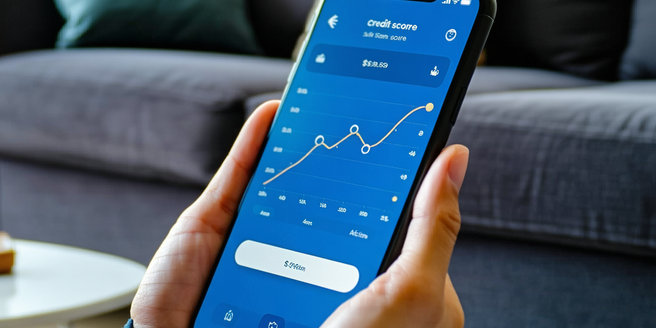
Tracking your FICO score over time is an essential practice for maintaining financial health and achieving long-term credit goals. Your FICO score is a dynamic number that can change based on your financial behavior and actions. Regularly monitoring it helps you understand the impact of your habits on your credit health, such as timely bill payments, credit card balances, and loan inquiries. By tracking these shifts, you can identify both positive and negative trends, enabling you to make informed decisions. For instance, you may notice a score increase after reducing credit card debt, affirming the value of debt management strategies. Alternatively, you might detect a dip following multiple credit inquiries, signaling the need for a cautious approach when applying for new credit. Utilize tools like free credit score apps or annual free reports to stay informed and proactive.