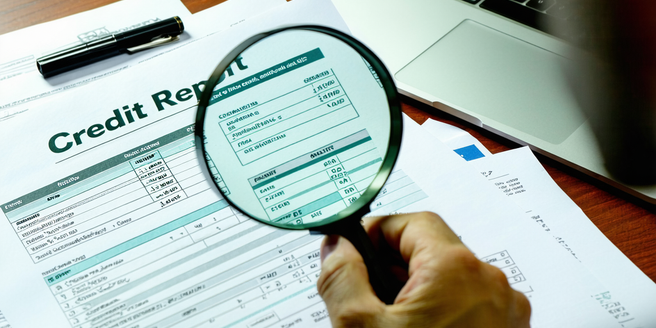
Understanding Your Credit Report
| Report Section | Contents | Significance |
| Personal Information | Name, addresses, date of birth | Verifies your identity |
| Credit Accounts | Details of credit lines | Shows credit history |
| Public Records | Bankruptcies, liens, judgments | Affects creditworthiness |
| Inquiries | Requests for your report | May impact score |
| Collections | Past due accounts | Negatively impacts score |
| Dispute Information | Results of disputes | Corrects report errors |
Common Credit Mistakes to Avoid
Avoid maxing out your credit cards; it can significantly lower your credit score. Even if you’re making consistent payments, high credit utilization ratios are red flags to lenders. Missing due dates is another pitfall. Late payments are recorded on your credit report and can remain there for years, adversely impacting your score. Maintain a schedule or set reminders to pay bills on time. Additionally, avoid applying for multiple credit lines in a short period. Each inquiry can temporarily drop your score, and numerous inquiries may suggest risky financial behavior to lenders. Instead, be selective and space out credit applications over several months. Keeping old credit accounts open is also advisable, as the length of your credit history is a factor in your credit score. A longer history generally results in a better score. Finally, consistently monitor your credit to catch errors or fraudulent activities promptly.
How to Dispute Credit Report Errors
If you spot an error in your credit report, take immediate action. First, gather all relevant documentation to support your claim. This might include receipts, account statements, or any correspondence related to the error. Next, contact the credit bureau where the error occurred. You can generally dispute errors online, but mailing a detailed letter may also be effective. Be clear and concise in your explanation, stating exactly what you believe is wrong and why. Include copies of your supporting documents and keep copies for your records. The Fair Credit Reporting Act mandates that credit bureaus must investigate disputes within 30 days, so follow up if you don’t receive a response within this timeframe. If the bureau sides with you, they will correct the error and may inform other credit agencies. Make it a habit to check your credit report regularly to ensure that inaccuracies do not recur.
The Importance of Timely Payments
Timely payments are the cornerstone of a healthy credit score. Payment history accounts for a significant portion of your credit score calculation. Lenders view overdue payments as a sign of financial instability, which can limit your borrowing power. Setting up automated payments can help you stay on track, ensuring that bills are paid on time even when life gets hectic. Even one late payment can have a substantial negative impact on your credit score, so it’s crucial to avoid them. Additionally, making more than the minimum payment each month can further boost your creditworthiness. Paying off balances sooner not only saves you money in interest but also shows financial responsibility. If you’re struggling to make payment deadlines, contact your lenders. Many have hardship programs that can temporarily ease financial burdens while keeping your accounts in good standing. Over time, consistently paying bills early or on-time can substantially improve your credit profile, making you more attractive to potential lenders.
Utilizing Credit Counseling Services
Credit counseling services can be instrumental in managing debt and repairing credit. These organizations provide education and resources to help you improve your financial situation. A credit counselor will typically review your entire financial picture, including debts, income, and expenses. They can suggest a budget and may offer to negotiate with creditors on your behalf for more manageable repayment terms. Credit counseling is a proactive step to take before financial problems become overwhelming. It’s important to choose a reputable service, so look for counselors who are accredited by the National Foundation for Credit Counseling or the Financial Counseling Association of America. Be wary of scams and avoid any service that demands payment upfront. Many nonprofit credit counseling services offer free initial consultations. With guidance, you can work towards achieving financial stability and recovering from past credit mishaps. Taking control of your financial health now can prevent future credit issues from arising.
Debt Consolidation Options Explained
Debt consolidation can be an effective way to manage multiple credit accounts and improve your financial situation. The process involves combining several debts into a single loan, ideally with a lower interest rate. There are different methods of consolidating debt, including personal loans, home equity loans, or balance transfer credit cards. Each option has its pros and cons, so it’s essential to choose one that aligns with your financial goals. Personal loans are unsecured and typically have fixed payments, which can simplify budgeting. Home equity loans offer low interest rates but come with the risk of losing your home if you default. Balance transfer cards can temporarily relieve high-interest credit card debt but may require upfront fees. Before proceeding, evaluate your capacity to make consistent payments on the new loan. Consulting with a credit counselor can provide additional insights into whether debt consolidation is the right path for you. Successful consolidation can lead to a more manageable financial future with improved credit scores.
Strategies for Reducing Credit Card Debt
Reducing credit card debt is a crucial step in improving your credit score. Start by consolidating your debt to lower interest rates whenever possible. Creating a realistic budget is essential; track your income and expenses meticulously to identify areas where you can cut back. Use any extra funds to make additional payments on your highest-interest debt to pay it down faster. The snowball method is another strategy: pay off the smallest balance first and then move to the next smallest, gaining momentum as you go. Be disciplined with your spending and prioritize needs over wants until the debt is under control. Consider negotiating with creditors for better terms, such as lower interest rates or monthly payments. Additionally, boost your savings whenever possible, creating a financial buffer to prevent reliance on credit cards in emergencies. Staying committed to these strategies will set you on a path towards financial freedom and improved credit health.
Building a Stronger Credit History
Establishing and maintaining a strong credit history is vital for long-term financial well-being. Begin by consistently paying all bills on time, as payment history significantly impacts your credit score. Open new credit accounts cautiously and only when necessary; too many new accounts can negatively affect your score. Avoid closing old accounts because the length of your credit history is an important component of your score. Use a mix of credit types to demonstrate your ability to manage different forms of debt responsibly. If you have little or no credit history, consider applying for a secured credit card, which requires a security deposit as collateral. Ensure you use only a small portion of your available credit limit; ideally, keep credit utilization under 30%. Regularly review your credit reports for errors or suspicious activity and dispute any inaccuracies you find. By following these practices, you’ll establish a robust credit history that opens the door to more financial opportunities and favorable loan terms.
The Impact of Credit Inquiries on Your Score
Credit inquiries can have a varying impact on your credit score, depending on their nature. There are two types: hard and soft inquiries. Hard inquiries occur when a lender checks your credit to make a lending decision. These can slightly lower your score, especially if multiple inquiries are made in a short period. It’s essential to space out applications for new accounts to minimize potential damage. In contrast, soft inquiries, like those made by potential employers or when you check your own credit, do not affect your score. Be selective about applying for new credit and choose timing wisely, potentially consolidating necessary applications within a short span to mitigate effects—credit scoring models often recognize rate shopping for mortgages and auto loans within specific windows. Over time, the effect of hard inquiries diminishes, usually falling off your credit report after two years. By understanding how inquiries influence your score, you can better manage when and how you seek new credit.
Monitoring Your Credit for Future Success
Regularly monitoring your credit is crucial for financial stability and security. Periodic checks ensure that your credit report accurately reflects your financial activities and helps spot any errors or fraud early. Utilize annual free credit reports from major bureaus—Equifax, Experian, and TransUnion—to stay informed. Paying for a credit monitoring service can offer additional perks, like alerts for changes to your report or new account openings, protecting you against potential identity theft. Monitoring enables you to track progress in repairing or building credit, providing insights into how financial decisions impact your score. These insights can guide future borrowing and spending behaviors, ensuring continual credit improvement. Remember, a higher credit score typically results in better loan terms, reduced interest rates, and easier approval for rental or employment applications. Incorporate credit monitoring as a regular financial maintenance practice to help secure a stable and prosperous financial future.