
Understanding Credit Scores and Their Impact
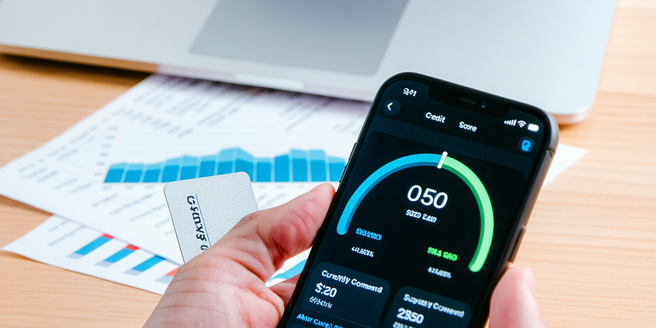
Understanding credit scores and their impact on financial health is crucial. A credit score is a numeric representation of your creditworthiness, based on factors like payment history, credit utilization, and more. Ranging typically from 300 to 850, a higher score often signals to lenders that you’re a lower risk, influencing loan approvals and interest rates. Scores are calculated by credit bureaus using complex algorithms and data from your credit report. Knowing your score allows you to make informed financial decisions and work on improving or maintaining your credit health. Regularly checking your credit reports can also help you identify errors or signs of identity theft early on. This awareness and understanding of your credit score can be vital in achieving financial security and accessing the best credit terms.
Benefits of Building a Strong Credit History
Building a strong credit history is one of the most beneficial financial moves you can make. Good credit opens the door to various opportunities, from securing loans with favorable interest rates to qualifying for premium credit cards with rewards. A solid credit history means you’ve demonstrated reliability in repaying debts, which lenders highly value. It’s not just lenders who are interested; landlords and even some employers look at credit history to gauge your trustworthiness. Additionally, with strong credit, you can leverage better credit card offers with lower APRs and no annual fees. This can lead to substantial savings over time. By paying bills on time and keeping debts low, you lay a solid foundation for financial success, ensuring you’re ready for important life milestones, like buying a home or starting a business.
Strategies for Improving Your Credit Score
Improving your credit score is a strategic process that can significantly boost your financial options. Start by reviewing your credit report for errors and dispute any inaccuracies. Timely payments on bills and debts are vital, as payment history holds the largest share in your credit score calculation. Reducing credit card balances can also positively impact your score by lowering your credit utilization ratio. Diversifying your credit mix, such as adding a small personal loan if you lack installment loans, can help improve your score. Even closing unused credit accounts must be done cautiously, as it might negatively affect your score. Lastly, patience is key. Consistently making wise financial decisions over time will gradually raise your score, opening up opportunities to secure loans or credit with more favorable conditions.
Common Credit Myths Debunked
There are numerous myths surrounding credit that can be misleading. One common myth is that checking your own credit score will hurt it, but in reality, personal inquiries have no effect on your score. Another misconception is that having a high income automatically leads to a good credit score. While income helps manage credit, the score primarily reflects your history with credit, not your earnings. Many also believe that carrying a balance on credit cards is necessary to build credit, yet maintaining a zero balance while paying on time benefits your score more. Lastly, the idea that closing old accounts can improve credit scores is incorrect; it can actually decrease your score by affecting your credit utilization and length of credit history. Understanding these myths can save you from unnecessary setbacks.
Tips for Responsible Credit Card Usage
Using credit cards responsibly is crucial in maintaining and improving your credit score. Start by keeping track of your credit card spending, ensuring it doesn’t surpass 30% of your credit limit to maintain a low credit utilization ratio. Automatic payments are a helpful tool to avoid late fees and missed payments, which can negatively impact your score. Also, be aware of your credit card’s interest rates and terms to avoid costly errors. Try to pay off your entire balance monthly rather than carrying a balance and accruing interest. Regularly monitoring statements can help spot unauthorized transactions before they affect your credit. Lastly, limit new credit applications, as each one results in a hard inquiry on your credit report, which can temporarily lower your score. These steps contribute to strong credit health.
How to Choose the Right Credit Products
Selecting the right credit products requires careful assessment of your financial needs and goals. Start by evaluating your current financial situation including income, debts, and existing credit score. Whether you’re looking for a credit card, mortgage, or personal loan, it’s important to compare offers from multiple lenders. Look at interest rates, fees, and the benefits they offer to choose the best fit. A low-interest rate is favorable if you plan to carry a balance, while rewards cards cater to those who pay off their balance monthly. Credit cards with no annual fees scratch the surface of enticing deals. Understanding these products’ long-term impact on your credit score and financial health can guide you towards wise decisions. A strategic choice tailored to your needs will significantly bolster your credit-building efforts.
The Role of Loans in Credit Building
Loans play a pivotal role in building and improving credit scores when managed wisely. They contribute to your credit mix, which makes up about 10% of your score. Incorporating different types of loans like installment loans (auto loans, mortgages) can positively impact your credit profile. Timely repayment of loans is crucial, as payment history is a significant factor in determining your score. By meeting loan payment obligations regularly, you demonstrate financial responsibility to future lenders. Additionally, responsibly managing loans builds trust, making it easier to qualify for more favorable loan terms in the future. Avoid postponing payments into additional debts, as it could hurt not only your score but also the trust of future lenders. Understanding the loan’s effect on your credit score is important for long-term financial health authority.
Monitoring and Protecting Your Credit
Regularly monitoring and protecting your credit is essential in safeguarding your financial well-being. By keeping a close watch on your credit report, you can quickly identify any discrepancies or signs of identity theft. Several free and paid services offer credit monitoring that alerts you to significant changes in your credit report. Additionally, consider placing a fraud alert or freezing your credit if you suspect suspicious activity. This extra layer of assurance can prevent potential fraudulent attempts to open accounts in your name. Being proactive in protecting your credit not only helps prevent identity theft but also promotes a healthy credit score. Regular vigilance ensures early detection of anomalies and maintains the integrity of your financial reputation, enabling you to confidently interact with lenders when seeking loans or credit.
Planning for Long-Term Credit Goals
Strategizing for long-term credit goals is fundamental for lasting financial health. Begin with setting clear, realistic credit objectives, such as buying a house, and outline a plan to reach them. Weekly evaluations allow you to track how close you are to or how far you stray from reaching your goals. Manage your debts prudently to ensure you have room to take on additional credit if necessary. Creating an emergency fund is an effective way to prepare for unexpected financial setbacks without compromising your credit score. Consistently maintaining timely payments and keeping a low credit utilization ratio add up over time. Review your credit strategy periodically to adjust for life changes or updated objectives. Achieving these milestones is more attainable with a well-structured plan, ensuring long-term stability and creditworthiness.
