
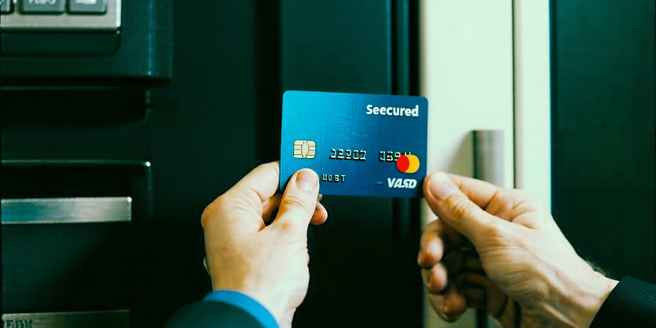
What is a Secured Credit Card?
A secured credit card is a type of credit card backed by a cash deposit from the cardholder. This deposit acts as collateral, minimizing the risk for the issuer and providing an opportunity for people with limited or poor credit history to access credit. Typically, the credit limit is equal to the deposit made, making it easier for users to manage their spending. For those looking to improve their financial health, secured credit cards can be an effective tool. Although secured cards require an upfront deposit, they function like traditional credit cards, allowing users to make purchases and build or rebuild their credit with responsible use. Most secured cards report to all major credit bureaus, which can help improve credit scores over time if payments are made on time and balances are kept low.
How Does a Secured Credit Card Work?
A secured credit card operates similarly to a regular credit card, with the primary difference being the requirement of a security deposit. This deposit usually sets the card’s credit limit, meaning if a user deposits $500, their credit limit is also $500. Regular usage and timely payments are key to leveraging the benefits of a secured credit card. The cardholder can then use the card for purchases up to this limit and must make monthly payments as they would with any credit card. If the cardholder pays the balance in full each month, there are typically no interest charges. Over time, with consistent on-time payments, the cardholder’s credit score may improve. Eventually, it may be possible to transition to an unsecured credit card. The deposit might then be refunded, making secured cards a stepping stone toward better credit.
Benefits of Using Secured Credit Cards
Secured credit cards offer several benefits, especially for those looking to build or repair their credit history. Since these cards typically report to all three major credit bureaus—Experian, TransUnion, and Equifax—timely payments can help improve a credit score over time. For many people, being able to track such improvements in their financial health is incredibly motivating. This feature makes secured cards accessible to individuals who might not qualify for traditional unsecured credit cards due to a poor or limited credit history. Furthermore, they provide an opportunity to practice good financial habits, such as keeping balances low and paying off the full statement amount each month to avoid interest charges. In addition, some secured cards offer perks like rewards programs or the ability to upgrade to an unsecured card in the future.
Differences Between Secured and Unsecured Credit Cards
The primary difference between secured and unsecured credit cards lies in the security deposit requirement. Secured cards require an upfront cash deposit, which serves as collateral in case of default. This deposit also typically determines the credit limit. Because of this collateral, secured cards can be a safer option for individuals with limited or poor credit history. In contrast, unsecured credit cards do not require a deposit, and credit limits are based on the cardholder’s creditworthiness. While secured cards are generally easier to qualify for, unsecured cards often come with better terms, such as lower interest rates and no annual fees. Unsecured cards may also offer more robust rewards programs. However, for those working to establish or rebuild credit, secured cards provide a valuable opportunity without the need for a good credit history.
How to Apply for a Secured Credit Card
Applying for a secured credit card is a straightforward process, similar to applying for a regular credit card. Start by researching various secured card options to find one that best suits your needs, considering factors like fees, required deposits, and potential perks. Make sure to read reviews or comparisons of different cards to gather more insights into what each offers. Once you select a card, fill out an application, either online or at a bank branch, providing required personal information such as your Social Security number and income. Most issuers will conduct a credit check, although the approval criteria are typically more lenient. Upon approval, you’ll be required to submit a deposit, which usually sets your credit limit. After receiving your card, you can begin making purchases and working to build your credit with responsible use.
Building Credit with a Secured Credit Card
Using a secured credit card responsibly can be an effective way to build or rebuild credit. The key is to ensure timely payments monthly since payment history significantly impacts your credit score. Regularly reviewing your spending habits can help maintain financial discipline. Additionally, keeping credit utilization low, ideally below 30% of your credit limit, can enhance your credit profile. It’s important to choose a secured card with reasonable fees and interest rates. Many secured cards report to major credit bureaus, so positive activity is recorded, aiding in improving your score over time. Monitoring your credit regularly through statements or credit monitoring services can help you track your progress. As your credit improves, you may qualify for an upgrade to an unsecured card, which often comes with better terms and no deposit requirement.
Common Fees Associated with Secured Credit Cards
While secured credit cards are a valuable tool for building credit, it’s essential to be aware of the fees they may carry. Common fees include an annual fee, charged once a year for the privilege of using the card. Some cards may also charge a monthly maintenance fee. Always bear in mind your spending habits and financial goals when selecting a card. It’s crucial to compare different secured credit card options before making a decision. Additionally, like standard credit cards, secured cards can impose late payment fees, cash advance fees, and interest on unpaid balances. It’s important to carefully review the card’s terms and conditions to fully understand the costs involved. Selecting a card with fewer fees or lower rates can help minimize your expenses, making it easier and more cost-effective to build credit with a secured card.
Tips for Choosing the Best Secured Credit Card
Selecting the best secured credit card involves considering several important factors. First, examine the credit reporting practices; choose a card that reports to all three major credit bureaus. Look for cards with reasonable fees, such as low annual charges and rewards programs that align with your spending habits. It’s also beneficial to check for any additional perks that may be offered, like travel insurance or purchase protection. Additionally, assess the required security deposit, as limits vary across issuers. Some cards may allow for eventual conversion to unsecured cards after demonstrating timely payments and responsible use. Ensure you understand the terms and conditions to avoid any surprises later. Compare interest rates as well since avoiding interest fees will be key in using the card to improve credit without financial strain. Reading reviews and seeking recommendations can also provide valuable insights into customer satisfaction.
Secured Credit Cards FAQs
Secured credit cards often come with questions regarding their use and benefits. Commonly, people ask if the deposit is refundable. The answer is yes, the deposit is typically refundable when the account is closed in good standing or when upgrading to an unsecured card. It’s important to thoroughly read the terms and conditions to understand the specific policies of your card issuer. Another frequent query is about their impact on credit scores. Using a secured card responsibly—by paying on time and keeping balances low—can positively influence credit scores as secured cards report activity to credit bureaus. Questions also arise about the minimum deposit required, which varies by issuer but often starts around $200. Additionally, some wonder if secured cards offer rewards, and while not all do, some issuers provide points or cashback on purchases.
