
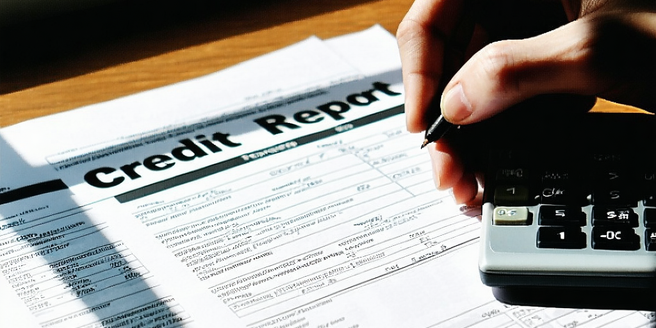
Understanding Your Credit Report
Your credit report is a crucial tool in understanding your financial health. It is a detailed account of your credit history managed by credit agencies. Learning to read your credit report helps you identify areas that require attention. Every entry, from loans to previous addresses, provides insights. Start by requesting your report from major bureaus. Once you have it, examine each section carefully. Pay close attention to information like credit accounts, payment history, and inquiries. Understanding these components will empower you to spot discrepancies or errors. Remember, a keen eye on your credit report is your first defense against credit errors and surprises that could negatively affect your credit score. Regularly reviewing it helps maintain control and confidence over your financial narrative.
Identifying Negative Items
Negative items on your credit report can significantly impact your credit score. These items often include late payments, defaults, and collection accounts. Spotting them early is the key to mitigating their effects. Start by thoroughly scanning each section of your report for any entries marked as negative or past due. Once identified, make a list of these negative entries. Note the date, amount, and the creditor involved. Understanding the origin of negative items helps you plan your next steps—either disputing inaccuracies or finding ways to settle it. Keep track of these items over time and ensure any resolved issues are updated on your report. Monitoring and addressing negative items is a proactive step in maintaining or rebuilding your credit profile.
Disputing Inaccuracies
Inaccuracies on your credit report can unjustifiably damage your credit score. Disputing these errors is a fundamental right and should be undertaken whenever discrepancies appear. Begin by thoroughly reviewing your credit report to pinpoint incorrect information. Mistakes might include wrong account statuses or incorrect amounts owed. It’s important to stay vigilant and check your credit report regularly. Once identified, gather evidence to support your claim, such as statements or correspondence from creditors. Submit a dispute with the credit bureau, clearly indicating the errors and providing your documentation. Doing so online can expedite the process. Follow up regularly to check the status of your dispute. Successful resolution can lead to corrections, potentially improving your credit score and financial reputation.
Improving Payment History
Your payment history greatly influences your credit score, making it vital to maintain it positively. Start by setting up reminders for due dates or automating payments to avoid late payments, which can significantly damage your credit. Prioritize clearing past-due balances and focus on maintaining consistency in paying at least the minimum amount going forward. Consider contacting creditors if you anticipate difficulty in making payments; they may offer temporary relief or alternative payment plans. Ensure to check your credit report for any old debt mistakenly reported as delinquent and have it corrected. Building a strong history of timely payments is a gradual process but an effective strategy in enhancing your credit standing over time.
Building Healthy Credit Habits
Developing and maintaining healthy credit habits is essential in sustaining a good credit score. Start by understanding the components of a credit score, including the impact of credit utilization, payment history, and credit mix. A good credit score can open doors to better financial opportunities. Aim to use a small portion of your available credit, ideally below 30%, to keep credit utilization low. Regularly pay off balances in full to avoid accumulating high interest. Diversifying the types of credit accounts, like revolving and installment, positively influences your score. Continually educate yourself on credit management strategies and review your credit report annually to make informed financial decisions. Practice patience as building robust credit habits takes time but will fortify your financial future.
